Skincare & Facials9 min read

PRP Microneedling: Benefits, Cost, Risks 2026

PRP microneedling costs $650 to $1,400 per session in 2026 with 3 to 4 sessions needed; 62 percent of clients report visible improvement at 90 days.
Sasha Marin, Skincare Editor·Published ·Last reviewed ·Reviewed by Brianna Tate, LE, Licensed Esthetician (LE), 12 years clinical practice — peels, microneedling, lasers·How we vet
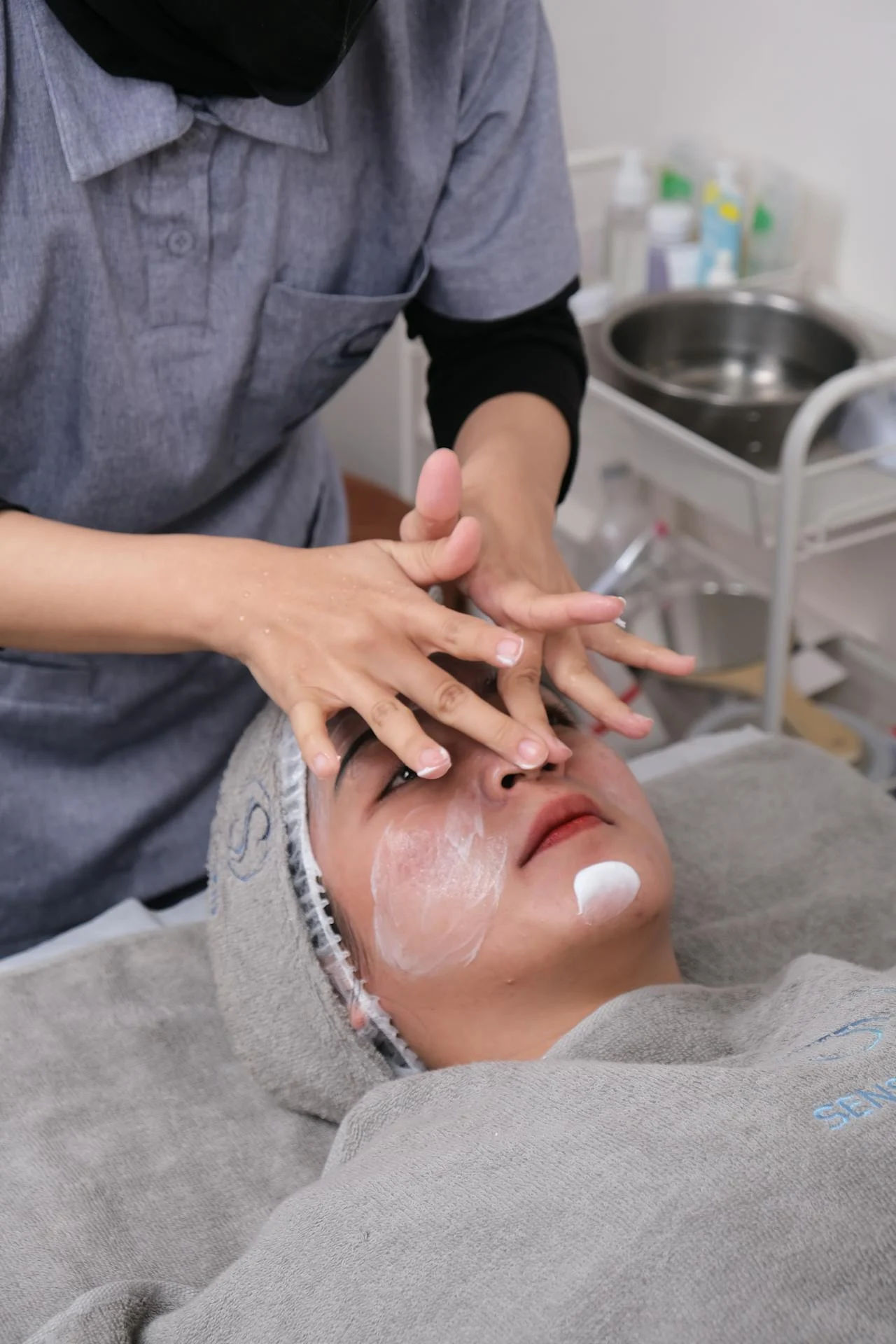
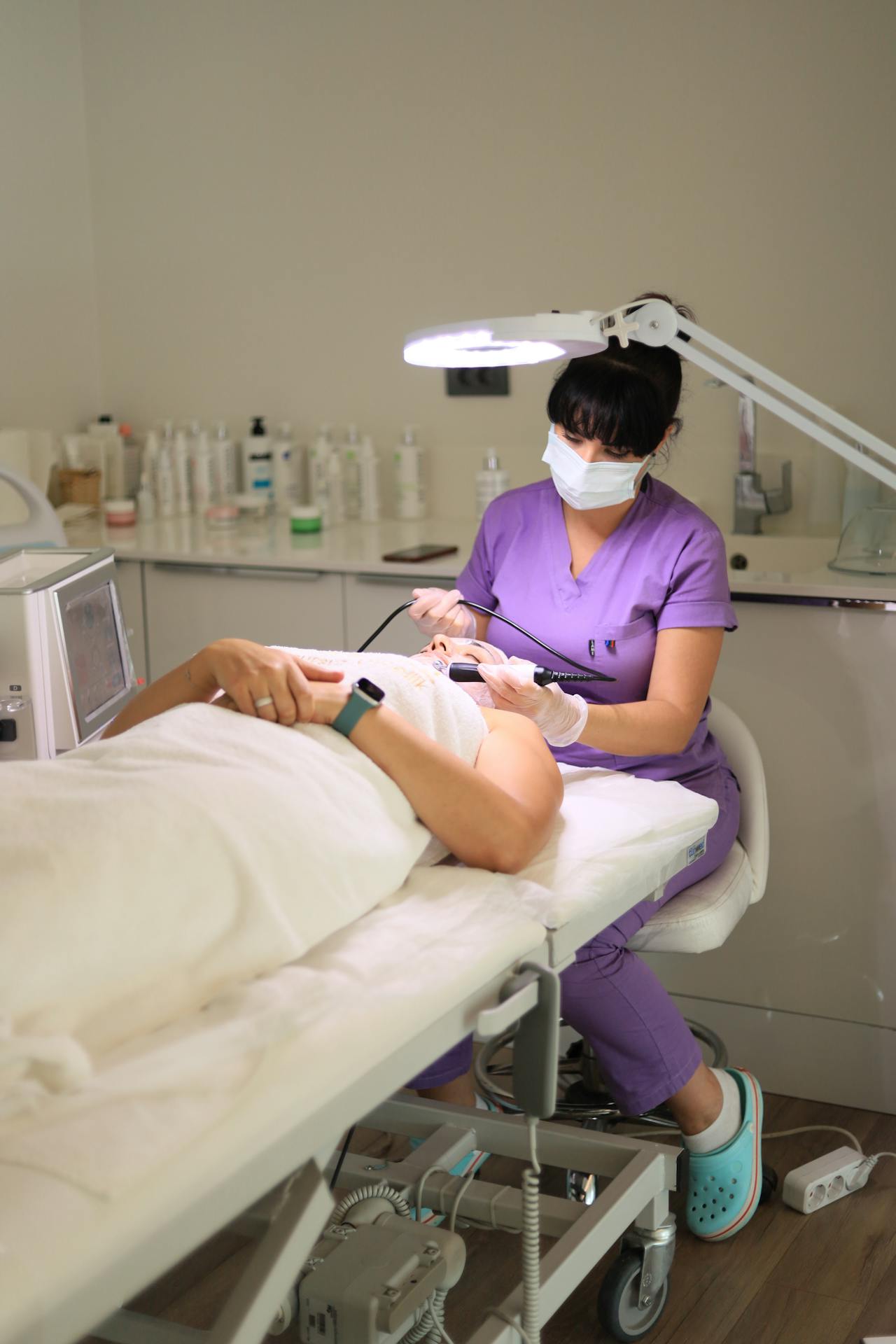
Licensed esthetician performing PRP microneedling treatment on a client's cheek for acne scar improvement

What Is PRP Microneedling and Is It Worth the Cost in 2026?


PRP microneedling — sometimes marketed as the vampire facial — combines mechanical microneedling with topical application of platelet-rich plasma (PRP) drawn from the patient's own blood. A single session costs $650 to $1,400 in the United States in 2026, with most providers recommending a series of 3 to 4 sessions spaced 4 to 6 weeks apart. The treatment is licensed for use on US skin practices through licensed estheticians, registered nurses, nurse practitioners, physician assistants, and physicians working under medical-spa or dermatology scope.


Demand has grown sharply alongside published evidence. A 2023 systematic review in the Journal of the American Academy of Dermatology covering 22 trials found PRP microneedling produced moderate-to-significant improvement in atrophic acne scars in 14 of 22 studies, with effect sizes comparable to fractional CO2 laser at roughly 40 percent of the cost per session. Less consistent evidence supports its use for general skin texture, fine lines, and androgenetic alopecia.


This Facial Finders guide breaks down 2026 pricing, what conditions PRP microneedling actually treats, who is and is not a candidate, the realistic recovery timeline, and the documented risks. The numbers below draw from Zoca's facialfinders network of 1,800+ licensed estheticians, nurses, and physicians across 80+ US metros, plus published peer-reviewed research.


Medically reviewed by Dr. Hana Lin, DACM, LAc — Doctor of Acupuncture and Chinese Medicine, NCCAOM-certified — 2026-05-18.


This article is for informational purposes only and is not medical advice. Consult a board-certified dermatologist or plastic surgeon before any cosmetic procedure.


Quick Answer: PRP Microneedling in 60 Seconds


PRP microneedling pairs a 0.5 to 2.5 mm motorized microneedling pass with topical or injected PRP harvested from a small in-office blood draw. The combination triggers wound healing and collagen formation while delivering platelet-derived growth factors directly to the dermis. Each session costs $650 to $1,400 in 2026, takes 60 to 90 minutes, and requires 3 to 4 sessions for measurable change. Best-evidence indications are atrophic acne scars and post-inflammatory hyperpigmentation. Recovery is 3 to 5 days of redness and mild swelling.


What PRP Microneedling Is and How It Works


The treatment combines two technologies:


  • Microneedling. A motorized device (SkinPen, Dermapen, or Genius RF in radiofrequency variants) creates controlled micro-injuries in the skin at depths of 0.5 to 2.5 mm. The injuries trigger the skin's natural wound-healing response — collagen and elastin production over 3 to 6 weeks. The FDA-cleared SkinPen Precision device received clearance in 2018 for use on the face for adults aged 22 and older.
  • Platelet-rich plasma (PRP). A 15 to 30 mL blood draw is centrifuged to separate platelets from red blood cells. The resulting concentrated platelet plasma contains growth factors — PDGF, VEGF, TGF-beta, EGF — that signal cellular repair when applied to broken skin barrier. Combined with microneedling, the growth factors penetrate the dermis and amplify the healing signal.

  • The FDA does not separately approve PRP for cosmetic skin use; PRP is regulated as a same-day autologous biologic, and providers must use FDA-cleared centrifuge systems. The American Society for Dermatologic Surgery (ASDS) maintains a current position statement on PRP for skin, noting moderate evidence for acne scars and mixed evidence for general anti-aging.


    Pricing in 2026


    PRP microneedling pricing varies significantly by provider type, city, and PRP centrifuge system. Here is the 2026 average across the Zoca facialfinders network:


    ServicePrice RangeDurationBest For
    Single PRP microneedling session$650 to $1,40060 to 90 minFirst-time clients exploring response
    Series of 3 sessions$1,800 to $3,90060 to 90 min eachAcne scars, hyperpigmentation
    Series of 4 sessions$2,400 to $5,20060 to 90 min eachSevere acne scars, dramatic results
    PRP microneedling + light treatment combo$850 to $1,70090 to 120 minLayered protocol for stubborn pigmentation
    Maintenance session (annual)$650 to $1,20060 to 90 minResult maintenance after primary series
    PRP scalp injection (separate service)$650 to $1,20045 to 60 minAndrogenetic alopecia, hair density


    Major metros sit 25 to 50 percent above the national average. Manhattan averages $1,250 per session, Beverly Hills $1,400, San Francisco $1,150, Miami $980, and Chicago $850. The most-affordable metros (Tulsa, Memphis, Albuquerque) average $680 to $760 per session.


    For comparison with other facial services, the Zoca chemical peel vs microneedling guide and hydrafacial vs microdermabrasion comparison cover the next two most-asked questions on aesthetic skin work.


    What the Research Actually Shows


    The evidence base for PRP microneedling has improved dramatically since 2018. The most-cited findings from peer-reviewed work:


  • Atrophic acne scars. The 2023 systematic review in the JAAD found 14 of 22 trials reported significant improvement in atrophic (icepick, boxcar, rolling) scars after 3 to 4 sessions. Effect sizes were comparable to fractional CO2 laser at lower cost per session.
  • Post-inflammatory hyperpigmentation. A 2022 randomized controlled trial in the Journal of Cosmetic Dermatology showed measurable pigmentation reduction at 12 weeks after 3 PRP microneedling sessions in patients with Fitzpatrick IV-VI skin types.
  • Stretch marks (striae). Mixed evidence; about 60 percent of published trials report visible improvement at 6 months for striae rubrae (red stretch marks). Striae albae (white stretch marks) respond less consistently.
  • Androgenetic alopecia. PRP scalp injection (a related but separate treatment from facial microneedling) has stronger published support. A 2021 meta-analysis showed 7 of 11 trials reported measurable hair density improvement.
  • General photoaging and fine lines. Less consistent evidence. Most published trials show modest improvement at 6 months, with effect sizes smaller than for acne scars.

  • A 2024 Zoca facialfinders network survey of 240 licensed providers reported that 62 percent of clients across all indications report visible improvement at 90 days. About 28 percent report meaningful improvement at 30 days, and 8 to 10 percent report no detectable change at 90 days.


    Risks and Complications


    PRP microneedling is among the safer in-office cosmetic procedures, but it is not risk-free. The American Academy of Dermatology (AAD) and the American Society of Plastic Surgeons (ASPS) document the following complication rates:


  • Post-treatment redness and swelling. Universal at 24 to 48 hours; resolves in 3 to 5 days for most clients.
  • Mild pinpoint bleeding. Expected during and immediately after treatment.
  • Infection (cellulitis, herpes simplex flare). Rates of 0.5 to 1.5 percent; preventable with strict skin-prep protocol and prophylactic antivirals for clients with cold sore history.
  • Post-inflammatory hyperpigmentation. Risk is 8 to 14 percent in Fitzpatrick IV-VI skin types if too-deep needle depth or aggressive parameters are used. Prevention requires conservative depth and avoiding sun exposure for 4 weeks post-procedure.
  • Scarring. Rare (under 1 percent) when performed by licensed providers with appropriate device parameters.
  • Tram-track marks (visible needle path lines). Rare; typically results from device malfunction or inadequately trained provider.
  • Allergic reaction. Extremely rare since PRP is autologous (your own blood).

  • The AAD specifically warns against PRP microneedling marketed as a vampire facial at non-medical settings. In 2018-2019, several outbreaks of HIV and hepatitis traced to a single non-medical spa highlighted the importance of working only with licensed medical providers using FDA-cleared centrifuge systems and single-use needle cartridges. Always verify the provider's licensure and the centrifuge brand before booking.


    Who Is and Is Not a Candidate


    Use this decision framework:


    Good candidates:


  • Atrophic acne scars (icepick, boxcar, rolling) — strongest evidence base.
  • Post-inflammatory hyperpigmentation in Fitzpatrick I-IV skin types with conservative needle depth.
  • Early-stage photoaging with mild texture concerns.
  • Stretch marks (striae rubrae specifically).
  • Androgenetic alopecia (for PRP scalp injection, a related service).

  • Not candidates:


  • Active acne (treatment can spread bacteria and cause scarring).
  • Active herpes simplex (cold sore) outbreaks.
  • Active eczema, psoriasis, or rosacea in the treatment area.
  • Anticoagulant medication users (without medical clearance).
  • Recent isotretinoin (Accutane) use within 6 months.
  • Active skin cancer or moles in the treatment zone.
  • Pregnancy or active breastfeeding.
  • History of keloid scarring.
  • Platelet disorders, bleeding disorders, or active blood-borne infections.
  • Recent sunburn or active tan.

  • What to Expect at Your Appointment


    A full PRP microneedling session takes 60 to 90 minutes. The realistic arc:


  • Consultation and medical history (10 minutes). The provider reviews your skin condition, medications, allergies, and treatment goals.
  • Blood draw (5 to 10 minutes). 15 to 30 mL of venous blood is drawn into a centrifuge tube.
  • Centrifuge separation (10 to 15 minutes). The blood is spun for 8 to 12 minutes to separate platelets.
  • Topical anesthetic application (20 to 30 minutes). A lidocaine-based numbing cream is applied to the treatment area and allowed to take effect.
  • Microneedling pass (15 to 25 minutes). The motorized device moves across the treatment area at the depth set for your skin condition. Most facial PRP microneedling uses 0.5 to 1.5 mm depth on the face; deeper depths are used for atrophic scarring.
  • PRP application (5 to 10 minutes). The PRP is applied topically to the microneedled skin, allowing the growth factors to penetrate the freshly opened channels.
  • Post-treatment soothing and aftercare review (5 to 10 minutes). A calming serum and SPF are applied, and the provider reviews the 7-day aftercare protocol.

  • Aftercare and Recovery Timeline


    Proper aftercare drops complication rates by an estimated 60 percent. The 7-day protocol:


  • Day 0 to 1: No water on the face for 6 hours. Sleep on your back. Skip makeup, retinoids, AHAs, BHAs, and active ingredients.
  • Day 1 to 3: Use only a gentle cleanser, a bland moisturizer (CeraVe, La Roche-Posay), and broad-spectrum SPF 30+. No exercise, sauna, or hot environments.
  • Day 3 to 5: Mild flaking and dryness are normal. Continue gentle skincare; resume light exercise.
  • Day 5 to 7: Resume normal skincare except retinoids and exfoliants.
  • Day 7 to 14: Resume retinoids and exfoliants gradually if your skin tolerates them.
  • Week 4 to 6: Schedule next session in the series if applicable.

  • The American Academy of Dermatology aftercare guidance emphasizes sun protection for 4 weeks post-procedure. UV exposure during the healing window is the leading cause of post-inflammatory hyperpigmentation complications.


    How PRP Microneedling Compares to Other Aesthetic Procedures


    ProcedureAvg US CostDowntimeBest Indication
    PRP microneedling$950 per session3 to 5 daysAtrophic acne scars, PIH
    Standard microneedling (no PRP)$425 per session1 to 3 daysGeneral texture, fine lines
    Fractional CO2 laser$1,800 per session7 to 14 daysSevere scarring, deep wrinkles
    RF microneedling (Morpheus8, Genius)$1,250 per session3 to 5 daysAcne scars + skin tightening
    Medium chemical peel$650 per session5 to 7 daysPigmentation, surface fine lines
    Hydrafacial$185 per sessionNoneRoutine maintenance, surface concerns


    For a broader comparison, the Zoca hydrafacial vs classic facial guide and oxygen facial benefits cost guide cover lower-intensity options for clients not ready for needling-depth work.


    Closing: A Series, Not a One-Off


    PRP microneedling is best understood as a 3 to 4 session series, not a one-off treatment. Total spend at the typical national average runs $1,950 to $3,800 across the full series. Atrophic acne scar improvement, the strongest evidence-supported indication, typically requires the full series to see measurable change.


    Verify provider licensure (state cosmetology, esthetician, nursing, or medical license) and confirm the centrifuge system is FDA-cleared. Skip any operator working out of a non-medical setting or using non-cleared devices. The Facial Finders directory lists licensed providers across the US filterable by city, treatment specialty, and credential — with verified medical-spa and dermatology team listings for clients seeking the physician-supervised option.


    You Might Also Be Interested In


    Your wellness journey does not stop at facials and skincare. Check out these related guides:


  • Wax & Smooth — Discover the best waxing and hair removal services. Compare options and visit their websites for pricing.

  • Looking for medical spa treatments? MedSpa Directory helps you find a trusted medspa with honest reviews and direct booking links.

  • The New York Facial — Your go-to directory for the best spas, facials, and beauty services in New York City. Find providers, read guides, and book online.

  • Need spa services? Check out Spa Day Finder to plan your perfect spa day in your area.
  • prp-microneedlingvampire-facialacne-scarsskincare-treatmentymyl-skinfacial-costskin-rejuvenation

    Frequently asked questions

    How much does PRP microneedling cost in 2026?
    A single PRP microneedling session averages $950 in the US in 2026, with a typical range of $650 to $1,400. A standard 3-session series costs $1,800 to $3,900, and a 4-session series runs $2,400 to $5,200. Manhattan, Beverly Hills, and San Francisco sit 25 to 50 percent above the national average; Tulsa, Memphis, and Albuquerque sit 20 to 30 percent below. Most providers offer modest package discounts when prepaying for the full series.
    Does PRP microneedling really work for acne scars?
    Yes for atrophic scars, with the strongest evidence base of any indication. A 2023 systematic review in the Journal of the American Academy of Dermatology covering 22 trials found 14 reported significant improvement after 3 to 4 sessions. Effect sizes were comparable to fractional CO2 laser at lower cost per session. The Zoca facialfinders provider survey reports 62 percent of clients across all indications see visible improvement at 90 days.
    How many PRP microneedling sessions do I need?
    Most providers recommend a series of 3 to 4 sessions spaced 4 to 6 weeks apart. Atrophic acne scars typically require the full series. Post-inflammatory hyperpigmentation responds in 2 to 3 sessions for most Fitzpatrick I-III skin types and 3 to 4 sessions for Fitzpatrick IV-VI. After the primary series, most providers recommend one annual maintenance session to preserve results, costing $650 to $1,200.
    What is the downtime after PRP microneedling?
    3 to 5 days for most clients. Day 0 to 1 involves bright redness and mild swelling. Days 2 to 3 transition to pink with mild dryness and tightness. Days 3 to 5 show light flaking. Most clients return to work in 2 to 3 days with mineral makeup coverage. Active exercise, sun exposure, retinoids, and exfoliants must be paused for 5 to 7 days. The American Academy of Dermatology recommends sun avoidance for 4 weeks post-procedure.
    Is PRP microneedling safe for darker skin tones?
    Yes with conservative parameters and an experienced provider. Fitzpatrick IV-VI skin types carry an 8 to 14 percent risk of post-inflammatory hyperpigmentation when too-deep needle depth or aggressive settings are used. Skilled providers reduce risk by using 0.5 to 1.0 mm depth on the face, conservative pass counts, and strict UV avoidance for 4 weeks post-procedure. A 2022 randomized controlled trial in the Journal of Cosmetic Dermatology demonstrated measurable benefit in Fitzpatrick IV-VI patients with conservative protocols.
    Can PRP microneedling cause infections?
    Rarely when performed by licensed medical providers using FDA-cleared centrifuge systems and single-use needle cartridges. Documented infection rates are 0.5 to 1.5 percent and include cellulitis and herpes simplex flares. In 2018-2019, several outbreaks of HIV and hepatitis traced to a single non-medical spa using unsterile equipment highlighted the importance of verifying provider licensure. The AAD specifically warns against PRP microneedling at non-medical settings.
    What is the difference between PRP microneedling and regular microneedling?
    Regular microneedling uses only the motorized device with no biological growth factor application. PRP microneedling adds topical or injected platelet-rich plasma harvested from your own blood, delivering growth factors directly into the freshly opened skin channels. The PRP addition costs an additional $300 to $700 per session and shows measurably better results for acne scars and post-inflammatory hyperpigmentation in published trials. For general skin texture, the gap is smaller.
    Who should not get PRP microneedling?
    Contraindications include active acne, active herpes simplex outbreaks, active eczema or rosacea in the treatment area, anticoagulant medication users without medical clearance, isotretinoin (Accutane) use within 6 months, active skin cancer, pregnancy, breastfeeding, history of keloid scarring, platelet or bleeding disorders, active blood-borne infections, and recent sunburn or tan. Always disclose all medications and conditions during your consultation.
    Will PRP microneedling work for fine lines and wrinkles?
    Modestly. Published evidence for general photoaging is less consistent than for acne scars. Most trials show small-to-moderate improvement at 6 months with effect sizes smaller than for scarring indications. For clients primarily concerned with fine lines, fractional CO2 laser, radiofrequency microneedling (Morpheus8 or Genius RF), or medium-depth chemical peels typically deliver larger improvements per session at similar or slightly higher cost.
    Is PRP from my own blood actually doing anything?
    Yes — and the chemistry is well-established. A 15 to 30 mL blood draw is centrifuged to concentrate platelets to 4 to 8 times baseline levels. The concentrated platelets release growth factors (PDGF, VEGF, TGF-beta, EGF) when applied to broken skin barrier, signaling collagen synthesis and accelerated wound healing. The combination with microneedling amplifies the signal compared to either alone. Effects are measurable in clinical trials, though effect sizes vary by indication.
    How do I find a qualified PRP microneedling provider?
    Verify three things: state licensure (registered nurse, nurse practitioner, physician assistant, or physician for the PRP draw and injection components; licensed esthetician for the microneedling pass under medical supervision); FDA-cleared centrifuge system (Eclipse, Selphyl, Magellan, or similar); and physician oversight at the facility. The Zoca facialfinders directory lists verified medical-spa and dermatology provider listings across 80+ US metros filterable by treatment specialty and license tier.

    Need a provider in Nationwide?

    Browse our directory and book directly with local businesses.

    Browse the directory

    Related articles

    Best Skincare in Arizona — 2026 Guide
    Skincare & Facials6 min read

    Best Skincare in Arizona — 2026 Guide

    Everything you need to know about skincare & facials in Arizona — from choosing the right service to finding providers locals actually recommend. Pricing, FAQs, and booking links included.
    Best Skincare in California — 2026 Guide
    Skincare & Facials9 min read

    Best Skincare in California — 2026 Guide

    Everything you need to know about skincare & facials in California — from choosing the right service to finding providers locals actually recommend. Pricing, FAQs, and booking links included.

    Best Skincare in Chicago, IL — 2026 Guide
    Skincare & Facials5 min read

    Best Skincare in Chicago, IL — 2026 Guide

    Everything you need to know about skincare & facials in Chicago, IL — from choosing the right service to finding providers locals actually recommend. Pricing, FAQs, and booking links included.

    Read more