Chemical Peel vs Microneedling: Which Fits in 2026
Chemical peels run $100–$600 and microneedling $250–$700 in 2026. Compare downtime, ideal skin concerns, and risk before booking either treatment. Decide with confidence.
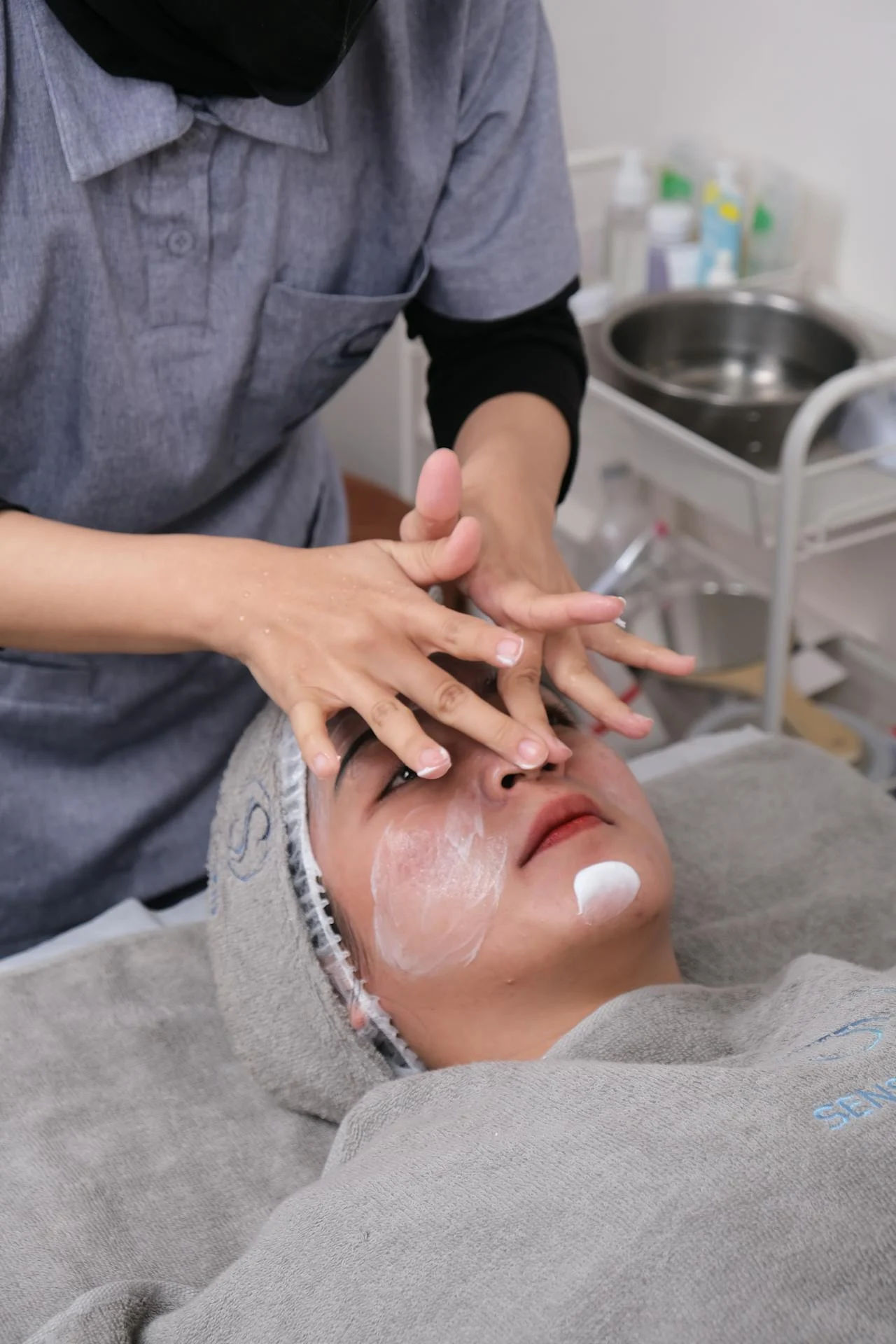
Chemical peel vs microneedling — which should you book in 2026?
Chemical peels and microneedling are the two workhorse resurfacing treatments in US esthetics. They share the same goal — smoother, brighter, more even skin — but reach it differently. Peels work chemically by removing layers of damaged skin. Microneedling works mechanically by creating controlled micro-injuries that trigger collagen production. Cost ranges overlap: peels at $100 to $600 per session, microneedling at $250 to $700.
The right choice depends on your primary concern. The American Academy of Dermatology and the American Society for Dermatologic Surgery both recognize peels and microneedling as evidence-based first-line resurfacing options when matched to indication. The FDA regulates microneedling devices as Class II for medium and deeper depths.
Medically reviewed by Dr. Imani Walker, MD, FAAD — May 2026.
Zoca's FacialFinders directory tracks 2,000+ skincare providers across 75 US cities. Chemical peels remain the more booked of the two — about 23% more sessions in 2026 — but microneedling growth is faster, up 17% year-over-year as more clients seek collagen and scar-focused work.
Chemical peels vs microneedling at a glance
The table maps the practical differences. Use it to triage before consultation.
| Feature | Chemical Peel | Microneedling |
|---|---|---|
| Mechanism | Acid resurfacing, layer removal | Mechanical micro-injury, collagen stimulus |
| Per-session cost | $100 – $600 | $250 – $700 |
| Course (3 – 6 sessions) | $400 – $1,800 | $750 – $2,400 |
| Best for | Hyperpigmentation, surface texture | Acne scars, collagen rebuild, pore size |
| Session length | 30 – 60 min | 60 – 90 min |
| Downtime | 1 – 7 days (depth-dependent) | 1 – 3 days |
| Skin-tone considerations | Wide tolerance with right formula | Higher PIH risk in Fitzpatrick IV – VI |
| Provider tier | Esthetician (superficial), MD (medium/deep) | Esthetician (≤0.5 mm), MD (>1.5 mm) |
| Maintenance | Quarterly | Quarterly – biannually |
What does a chemical peel actually do?
The one-sentence answer: a peel applies an acid (AHA, BHA, TCA, Jessner, or phenol) to the skin that controllably exfoliates layers and triggers a uniform regeneration of the epidermis or upper dermis. Surface texture, hyperpigmentation, and superficial fine lines are the strongest indications.
Peel depth is the most important variable:
For most US clients, a course of three to six superficial-to-medium peels delivers the best risk-adjusted result. The 2024 ASDS procedural census reported a 14% increase in superficial peel bookings since 2022, the strongest growth in the resurfacing category.
What peels won't fix
Peels are limited tools for deep acne scarring, deeper wrinkles, and significant laxity. For atrophic acne scars, microneedling or microneedling with RF is the better lever. For laxity, energy-based devices (Ultherapy, Thermage, or Morpheus8) are first-line.
What does microneedling actually do?
The one-sentence answer: microneedling creates thousands of controlled micro-channels in the skin using fine needles (typically 0.25 to 2.5 mm in depth), which triggers a wound-healing cascade that lays down new collagen and elastin over 4 to 12 weeks. Texture, fine lines, pore size, and atrophic scarring are the strongest indications.
Three tools cover most of the US market:
The 2025 ASDS census reported microneedling overtook chemical peels as the most-booked single in-clinic cosmetic skincare service among Gen Z and younger Millennial clients, with 22% growth year-over-year.
What microneedling won't fix
Microneedling alone underperforms on surface pigmentation (hyperpigmentation, melasma) and can worsen post-inflammatory hyperpigmentation in darker skin tones if depth or aftercare is mismanaged. Pair with topical brighteners or a pigmentation-focused peel for best results.
How to choose: matching treatment to concern
The simplest selection framework:
| Primary concern | First choice | Second choice |
|---|---|---|
| Hyperpigmentation, melasma | Chemical peel (mandelic, Cosmelan) | LED + topical brighteners |
| Sun damage, surface texture | Chemical peel (medium TCA) | Microneedling |
| Atrophic acne scars | Microneedling (with or without RF) | TCA CROSS for icepicks |
| Fine lines, mild crepe | Microneedling | Retinoid + medium peel |
| Large pores, sebum control | Microneedling | Salicylic peel |
| Overall glow, pre-event | HydraFacial or superficial peel | Oxygen facial |
| Rosacea-prone skin | LED + topical only | Very gentle lactic peel |
A practical decision tree:
Downtime and recovery: side-by-side
The downtime conversation drives many bookings. Plan it.
| Treatment | Day 0 | Day 1 – 3 | Day 4 – 7 | Full recovery |
|---|---|---|---|---|
| Superficial peel | Mild redness | Light flaking | Done | 5 – 7 days |
| Medium-depth peel | Tight, warm skin | Visible peeling | Continued peeling | 7 – 10 days |
| Microneedling (0.5 – 1.0 mm) | Sunburn-like redness | Mild dryness | Normal makeup | 3 – 5 days |
| Microneedling (1.5 – 2.5 mm) | Redness, micro-pinpoints | Dry, tight | Light flaking | 5 – 7 days |
| RF microneedling | Swelling + redness | Tight, warm | Resolves | 5 – 7 days |
Aftercare for both centers on hydration, mineral SPF, and avoiding active ingredients. The post-facial sun protection and microneedling aftercare guides cover the protocols.
Pricing realities: what a full plan costs
A clinically reasonable plan is a course of three to six sessions, then quarterly maintenance.
| Plan | Year-1 cost | Maintenance (year 2+) |
|---|---|---|
| Superficial peel course (6) | $600 – $1,800 | $200 – $600 per year |
| Medium peel course (3) | $750 – $1,800 | $200 – $600 per year |
| Microneedling course (4) | $1,000 – $2,800 | $250 – $700 per year |
| RF microneedling course (3) | $1,800 – $3,600 | $600 – $1,200 per year |
| Combined peel + microneedling | $1,800 – $3,800 | $400 – $900 per year |
About 38% of FacialFinders clients now combine the two on an 8 to 12-week alternating schedule. Stacking improves total result for a modest cost premium.
Risks, contraindications, and red flags
The risk profile is similar but not identical.
Chemical peels:
Microneedling:
Both: avoid in pregnancy, on isotretinoin (Accutane) within six months, on active eczema or rosacea flare, or within four weeks of unhealed laser work.
This article is informational and is not medical advice. Consult an AAD-listed dermatologist or licensed esthetician before any resurfacing procedure.
Choosing the right provider
For superficial peels and shallow microneedling, a state-licensed esthetician with documented continuing education in the specific modality is sufficient. For medium peels, deeper microneedling, RF microneedling, and any peel on melanin-rich skin, choose an ASDS-member dermatologist or a physician-led medical spa.
Ask:
Zoca's FacialFinders directory verifies state licensure on every listed provider. Filter by 'physician-led' or 'esthetician-led' depending on the treatment tier you need.
Decision tree: peel or microneedling?
If you have not booked yet, run through this:
For most clients, both treatments land in the year-one plan eventually. The order is the key call — and choosing it deliberately is what separates a 'meh' result from a measurable one.
Discover More Top-Rated Services
Complement your facials and skincare experience with these related services:
Sources & references
- American Academy of Dermatology — Chemical Peels — American Academy of Dermatology
- FDA — Microneedling Devices — U.S. Food and Drug Administration
- ASDS — American Society for Dermatologic Surgery — Procedure Statistics — American Society for Dermatologic Surgery
Frequently asked questions
What's cheaper, chemical peels or microneedling?
Which works better for acne scars: peels or microneedling?
Which is better for hyperpigmentation: peels or microneedling?
How much downtime does each treatment have?
Is microneedling or peeling safer for sensitive skin?
Can I combine chemical peels and microneedling?
How long do results from peels and microneedling last?
Can microneedling cause hyperpigmentation?
How do I find a qualified provider?
Will my insurance cover either treatment?
Need a provider in Nationwide?
Browse our directory and book directly with local businesses.
Browse the directoryRelated articles
Best Skincare in Arizona — 2026 Guide
Everything you need to know about skincare & facials in Arizona — from choosing the right service to finding providers locals actually recommend. Pricing, FAQs, and booking links included.
Best Skincare in California — 2026 Guide
Everything you need to know about skincare & facials in California — from choosing the right service to finding providers locals actually recommend. Pricing, FAQs, and booking links included.
Best Skincare in Chicago, IL — 2026 Guide
Everything you need to know about skincare & facials in Chicago, IL — from choosing the right service to finding providers locals actually recommend. Pricing, FAQs, and booking links included.