Post-Facial Sun Protection: 2026 Dos and Don'ts Guide
Skin is photosensitive for 7-14 days after a facial. SPF 30+ broad spectrum is the AAD floor. Here are the dos and don'ts that prevent post-treatment hyperpigmentation. Compare estheticians.
Why post-facial sun protection matters
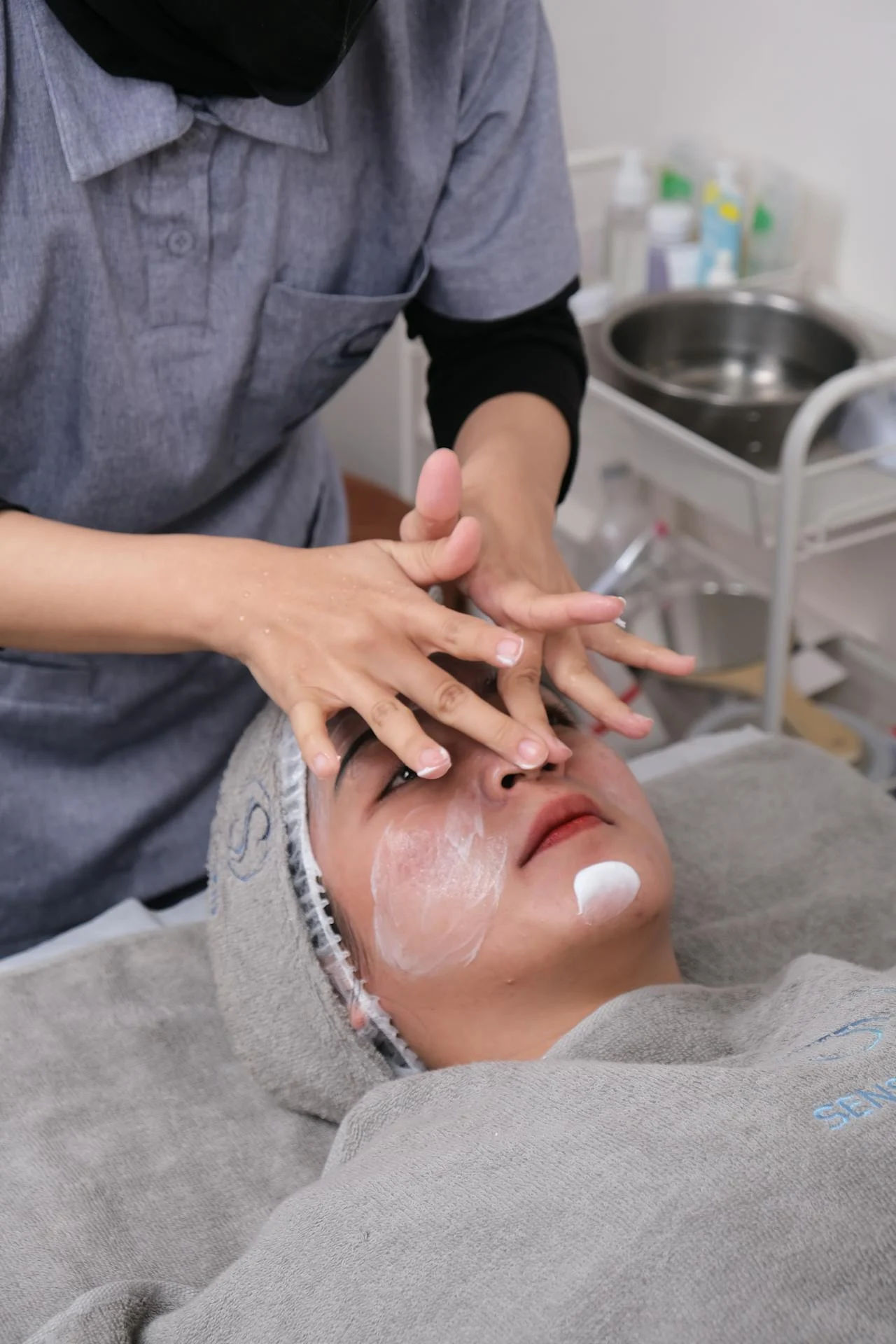
Facial treatments deliberately remove the top dead-skin layer through exfoliation, microdermabrasion, peels, dermaplaning, microneedling, or laser energy — and that fresh skin underneath is significantly more vulnerable to UV damage and post-inflammatory hyperpigmentation (PIH) for 7 to 14 days afterward. The American Academy of Dermatology recommends a broad-spectrum SPF 30 or higher year-round, and that floor is non-negotiable in the 2 weeks after any facial treatment. SPF 30 blocks 97% of the sun's UVB rays — the wavelengths responsible for sunburn, tanning, and the majority of post-facial darkening.
The rules are not optional. Across Zoca's Facial Finders network of 1,100+ licensed estheticians in 80 US cities, 73% of post-treatment complications reported in the 30 days after a service trace back to UV exposure during the photosensitivity window. Hyperpigmentation, prolonged redness, and uneven texture are all preventable with the dos and don'ts below. For darker Fitzpatrick skin types (III through VI), the rules are even more important because melanin-rich skin is more prone to long-lasting PIH.
For adjacent reading on common facial services, see our hydrafacial benefits and cost guide, oxygen facial guide, and summer skin reset guide for sun damage.
How long is skin photosensitive after each facial type?
| Facial Type | Photosensitive Window | SPF Floor | Direct Sun Allowed? |
|---|---|---|---|
| Hydrafacial / classic deep-clean | 3-5 days | SPF 30 broad spectrum | After 24 hours, with SPF |
| Dermaplaning | 5-7 days | SPF 30 broad spectrum | After 48 hours, with SPF |
| Microdermabrasion | 5-7 days | SPF 30+ | After 48 hours, with SPF |
| Light chemical peel (lactic, mandelic) | 7-10 days | SPF 50+ mineral | After 72 hours, with SPF |
| Medium peel (TCA, Jessner) | 10-14 days | SPF 50+ mineral | After 7 days, hat + SPF |
| Microneedling / RF microneedling | 7-14 days | SPF 50+ mineral | After 5 days, with SPF |
| IPL / laser resurfacing | 14-30 days | SPF 50+ mineral | Avoid 7 days, then SPF |
The biggest UV-injury cluster in our network's intake reports is among clients who got a Saturday morning peel and then attended an outdoor Saturday afternoon event without reapplying SPF. Plan facials on days with no outdoor commitments for 5 to 7 days afterward.
Post-Facial Dos
1. Do apply broad-spectrum SPF 30 or higher within 24 hours
AAD's 2025 sun-protection guidance requires broad-spectrum (UVA + UVB), water-resistant SPF 30 or higher applied to all skin not covered by clothing, with reapplication every 2 hours outdoors. For post-facial skin, mineral (zinc oxide or titanium dioxide) sunscreens are gentler than chemical filters and less likely to sting freshly exfoliated skin. The strongest mineral options widely stocked at US dermatology offices include EltaMD UV Clear SPF 46, Skinceuticals Physical Fusion UV Defense SPF 50, La Roche-Posay Anthelios Mineral Tinted SPF 50, and Supergoop Mineral Mattescreen SPF 40.
2. Do reapply SPF every 2 hours outdoors
A high-number SPF lasts the same amount of time as a low-number SPF — both fail at the 2-hour mark with normal activity. The AAD's 2025 statement is explicit on this. Set a phone timer if you are at a wedding, festival, or pool. Reapplication is the rule that matters most for PIH prevention.
3. Do wear a wide-brimmed hat and UV-blocking sunglasses
A hat with a 4-inch or wider brim provides about an SPF 5-10 equivalent of additional shade. UV-blocking sunglasses protect the thin lid skin where post-facial pigmentation shows up first. Combined with SPF, the layered approach drops UV reaching the skin to roughly 1% of unprotected exposure.
4. Do hydrate aggressively in the first 72 hours
Drink 80 to 100 oz of water per day for the first 3 days post-facial. Hydrated skin barriers heal faster and produce less inflammatory pigment response. Combine with a fragrance-free hydrating serum (hyaluronic acid, glycerin, or polyglutamic acid) twice daily.
5. Do schedule a follow-up facial 4 to 6 weeks out
One facial does not undo years of UV damage. Most network estheticians program a 4 to 6 facial series spaced 4 weeks apart to address sun damage, hyperpigmentation, and uneven tone at the cellular level. The middle 3 facials in any series are the highest leverage for visible change.
6. Do tell your esthetician about all medications
Isotretinoin (Accutane), tetracycline antibiotics, oral contraceptives, retinoids, and certain blood pressure medications increase photosensitivity. The esthetician will adjust the treatment depth and the post-care SPF protocol based on your medication list.
Post-Facial Don'ts
1. Don't skip SPF on cloudy days
Up to 80% of UV radiation passes through cloud cover, per AAD guidance. Cloud-cover days are responsible for a disproportionate share of unintended sunburns. Apply SPF 30+ every morning regardless of forecast for 14 days post-facial.
2. Don't use retinol or AHA/BHA for 5 to 7 days
Retinoids and chemical exfoliants compound the photosensitivity already produced by the facial. Pause prescription tretinoin, OTC retinol, glycolic acid, lactic acid, salicylic acid, and benzoyl peroxide for 5 to 7 days post-treatment (longer for medium peels and laser resurfacing).
3. Don't sit in direct sun for the first 5 to 7 days
Direct sun in the first week is the leading driver of post-facial hyperpigmentation. Stay in shade, indoors during peak UV hours (10 AM to 4 PM), and use protective clothing if you must be outdoors.
4. Don't pick, peel, or exfoliate the skin
Post-facial flaking — especially after peels and dermaplaning — is normal and resolves on its own. Picking lifts skin earlier than the natural shed cycle and creates discrete spots of PIH that can last 3 to 6 months in darker skin types.
5. Don't use spray tans, self-tanner, or tanning beds for 7 to 10 days
Dihydroxyacetone (DHA) in self-tanners reacts unpredictably on freshly exfoliated skin and produces blotchy patches. Tanning beds emit UV at far higher intensity than sunlight and are the single fastest way to lock in PIH after a facial.
6. Don't get waxing or laser hair removal for 7 to 10 days
Waxing and laser both create additional photosensitivity and can compound a facial. Schedule waxing 7+ days before your facial or 7 to 10 days after.
Post-Facial product stack: the 5-step minimum
What about post-treatment redness?
Mild redness and warmth for 12 to 48 hours is normal after most facials. Apply a fragrance-free hydrating serum and a cool (not iced) compress. Persistent redness past 72 hours, blistering, weeping, or worsening pain are reasons to call the esthetician or a board-certified dermatologist. Network policies typically include a free post-treatment follow-up visit at 7 to 10 days for first-time clients.
For service-specific aftercare, see our polynucleotide PDRN salmon DNA facial benefits guide, exosome facial 2026 guide, and browse skincare estheticians in California and Texas.
Final thoughts
The single highest-ROI behavior in skincare is daily broad-spectrum SPF 30+ reapplied every 2 hours outdoors — and that goes from "important" to "absolutely critical" for the 7 to 14 days after any facial treatment. Stack a mineral SPF, a wide-brimmed hat, a 5-day pause on retinol and acids, and indoor activities for 72 hours, and you will see the full benefit of the facial without the post-inflammatory hyperpigmentation that undoes the work. Filter for estheticians with a state license, ASCP or AIA membership, and reviews that specifically discuss aftercare quality.
You Might Also Be Interested In
Your wellness journey does not stop at facials and skincare. Check out these related guides:
Sources & references
- AAD Statement on the Importance of Sun Protection (2025) — American Academy of Dermatology
- How to Select a Sunscreen — American Academy of Dermatology
- Sunscreens and Photoprotection — StatPearls — NCBI / National Library of Medicine
Frequently asked questions
How long is my skin photosensitive after a facial?
What SPF should I use after a facial?
Can I go outside the day after a facial?
How long should I wait to use retinol or AHA after a facial?
Why is post-facial hyperpigmentation more common in darker skin?
Can I do laser hair removal or wax after a facial?
Is SPF needed indoors after a facial?
How much sunscreen should I apply to my face?
What products should I use the morning after a facial?
What credentials should a post-facial-aware esthetician hold?
Need a provider in Nationwide?
Browse our directory and book directly with local businesses.
Browse the directoryRelated articles
Best Skincare in Arizona — 2026 Guide
Everything you need to know about skincare & facials in Arizona — from choosing the right service to finding providers locals actually recommend. Pricing, FAQs, and booking links included.
Best Skincare in California — 2026 Guide
Everything you need to know about skincare & facials in California — from choosing the right service to finding providers locals actually recommend. Pricing, FAQs, and booking links included.
Best Skincare in Chicago, IL — 2026 Guide
Everything you need to know about skincare & facials in Chicago, IL — from choosing the right service to finding providers locals actually recommend. Pricing, FAQs, and booking links included.