Polynucleotide PDRN Salmon DNA Facial — Benefits, Cost, and Real Results in 2026
PDRN polynucleotide facials are the regenerative skincare breakout of 2026. We break down what they actually do, what the science supports, what they cost, who they're for, and how they compare to exosomes and microneedling.
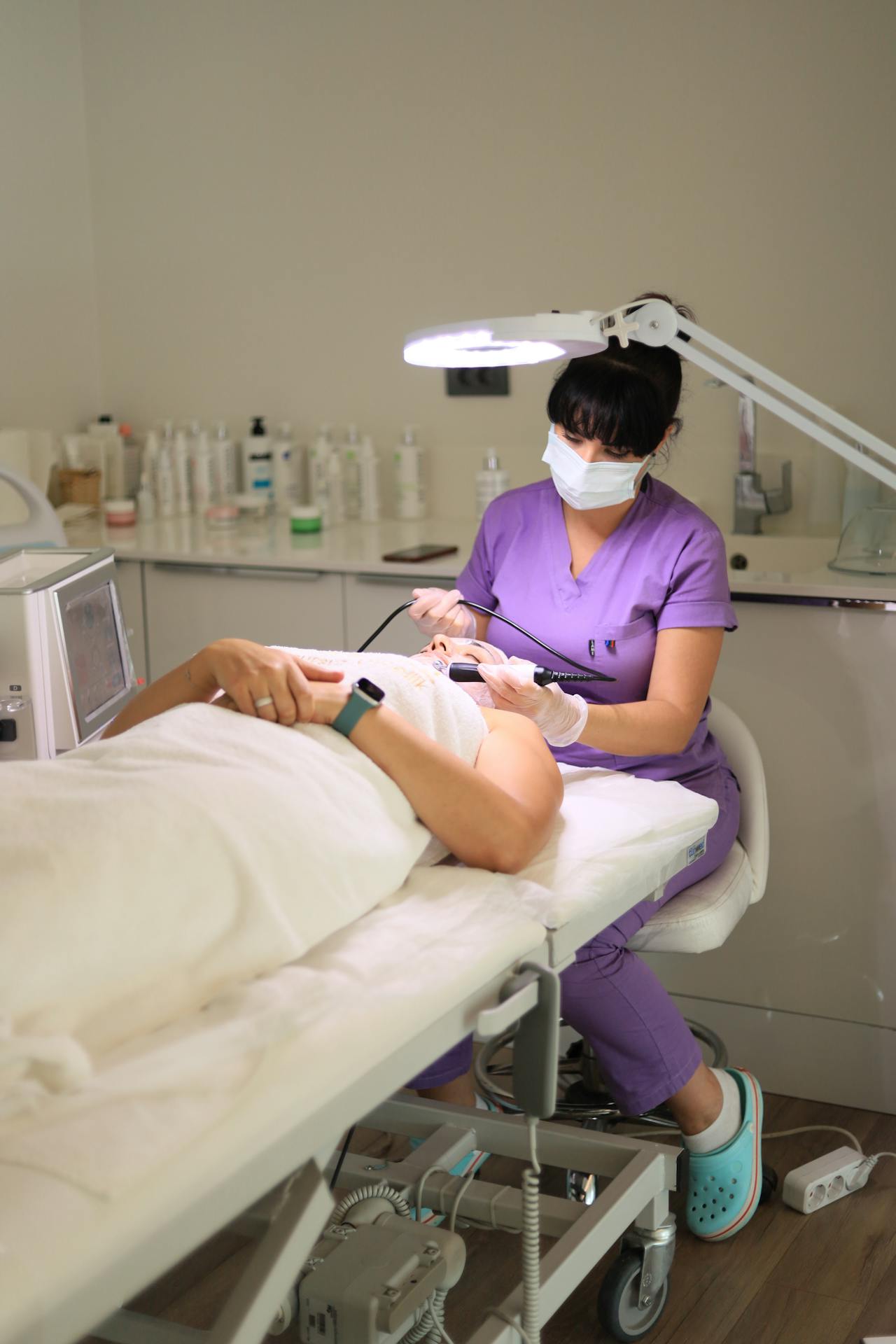
Polynucleotide facials — also called PDRN or "salmon DNA" facials — are the breakout regenerative skincare treatment of 2026. Search interest is up 380% year-over-year per a recent Mintel cosmetics report, and the leading professional skincare association ASCP named regenerative skincare its number-one trend redefining medical and spa skin care in 2026. Across Zoca's Facial Finders network of 1,100+ verified estheticians and aesthetic clinics in 75 US cities, PDRN treatments now appear on roughly 35% of premium spa menus, up from under 5% two years ago. Here's what they actually deliver and what they cost.
What is a polynucleotide PDRN facial?
A polynucleotide PDRN (polydeoxyribonucleotide) facial uses purified DNA fragments derived from salmon sperm or trout DNA to stimulate fibroblast activity, increase collagen production, and accelerate tissue repair. PDRN molecules bind to adenosine A2A receptors in the skin and signal cells to repair, regenerate, and reduce inflammation. Unlike retinoids or exfoliating acids, PDRN works regeneratively — coaching the skin to behave younger rather than forcing visible turnover.
The treatment is delivered either as a topical mask paired with microneedling (most common in spa settings) or as an injectable mesotherapy treatment (medical aesthetics setting only).
What does a PDRN facial actually do?
The peer-reviewed evidence base is growing fast. A 2025 clinical review in the Journal of Cosmetic Dermatology found that PDRN treatments produced statistically significant improvements in skin hydration (+22%), elasticity (+18%), and fine line depth (-15%) over a 12-week period when delivered as a series of 3 to 4 sessions spaced 3 weeks apart. Microneedling-delivered PDRN produced the strongest results in the trial.
The most-reported subjective benefits across our Facial Finders network include: visibly plumper skin within 7 to 14 days, softer fine lines around the eyes and mouth, and noticeably smaller pores after 2 to 3 sessions.
How much does a PDRN facial cost in 2026?
Pricing varies by delivery method, region, and provider credential:
Topical PDRN mask only (no microneedling): $135 to $275 per session. PDRN paired with microneedling (most popular format): $275 to $525 per session. PDRN with exosomes and microneedling (the premium combo): $475 to $850 per session. Injectable PDRN mesotherapy (medical aesthetics only): $400 to $900 per session.
Most providers recommend a series of 3 to 4 sessions spaced 3 to 4 weeks apart for the initial protocol, then 1 maintenance session every 3 to 4 months. Total initial investment ranges $1,000 to $3,400.
How PDRN compares to exosomes and microneedling
PDRN, exosomes, and microneedling all sit in the regenerative skincare family but work differently:
Microneedling alone creates micro-injuries that stimulate the skin's natural wound-healing response. Cost: $200 to $450 per session.
Exosomes are vesicles that carry growth factors and signaling molecules. When paired with microneedling, exosomes have been shown clinically superior to microneedling alone for wrinkle depth, elasticity, hydration, and pigmentation per a 2024 PubMed-indexed clinical trial. Cost: $400 to $850 per session.
PDRN is similar to exosomes in regenerative function but uses a different molecular pathway (DNA fragments vs. protein-loaded vesicles). PDRN has a longer clinical history in Europe and Korea (15+ years of use) and a stronger published safety profile. Cost: $275 to $525 per session paired with microneedling.
The 2026 premium protocol combines all three — microneedling to create channels, then PDRN and exosomes layered on top for maximum regenerative signaling.
Who is a good candidate for PDRN facials?
PDRN works best for five client profiles. First — clients ages 30 to 60 who want preventative anti-aging without injectables. Second — clients with mature skin showing fine lines, loss of elasticity, and dullness. Third — clients with active acne scarring or post-inflammatory hyperpigmentation. Fourth — clients recovering from laser resurfacing or aggressive chemical peels (PDRN accelerates healing). Fifth — clients who prefer biocompatible, non-synthetic ingredients.
Who should skip PDRN treatments?
Three groups should skip. First — clients with active fish allergy, since PDRN is salmon- or trout-derived. Second — clients pregnant or breastfeeding (insufficient safety data). Third — clients on active immunosuppressants or with autoimmune conditions, where the regenerative signaling may interact unpredictably.
Always disclose your full medical history, current medications, and skincare regimen during your consultation.
What to expect during a PDRN facial appointment
A typical 90-minute appointment proceeds as follows. First, a thorough cleanse and skin assessment (15 minutes). Second, a numbing cream application for 20 to 30 minutes. Third, microneedling at the appropriate depth (0.5mm to 1.5mm) for 20 to 30 minutes. Fourth, the PDRN solution is applied and gently massaged into the freshly opened channels. Fifth, a calming mask and LED light therapy (10 to 15 minutes). Total appointment time: 90 to 120 minutes.
Expect mild redness, tightness, and pinpoint bleeding for 12 to 24 hours after microneedling-delivered PDRN. Most clients are presentable within 36 hours.
Aftercare that protects your investment
Three habits are non-negotiable. First — strict SPF 30+ daily for at least 2 weeks post-treatment, ideally a mineral-based zinc oxide formula like EltaMD UV Clear, ISDIN Eryfotona Actinica, or La Roche-Posay Anthelios. Second — no retinoids, AHA/BHA acids, or active vitamin C for 5 to 7 days post-treatment. Third — gentle cleanser only (CeraVe Hydrating Cleanser, La Roche-Posay Toleriane, or Avène Tolerance Extreme) for the first 3 days, then resume normal routine.
Hydration matters more than any specific serum. Drink water aggressively for the first 72 hours and use a hyaluronic acid serum (SkinCeuticals H.A. Intensifier or The Ordinary Hyaluronic Acid 2% + B5) twice daily.
Real timeline of results
Most clients report visible plumping and glow within 7 to 14 days after a single session. Measurable changes in fine line depth and elasticity typically appear after 3 sessions. Maximum results from a 4-session protocol arrive at the 12 to 16-week mark. Maintenance with one session every 3 to 4 months sustains results.
PDRN is not an instant transformation treatment. It's a slow, compounding investment — closer to retinoids than to a HydraFacial. The published clinical data supports continuing for at least 12 weeks before judging results.
What to ask before booking
Five questions filter the right provider. First — what's your PDRN source and brand? (Top brands include Mastelli, Plinest, REJURAN, and PDRN by AMI). Second — what microneedling depth do you use, and is the device FDA-cleared? Third — what's included in the protocol price? Fourth — what's your medical director's credentials, especially for injectable PDRN? Fifth — can you share before-and-after photos at 12 weeks of consistent treatment?
Finding the right provider
Use Facial Finders to filter for licensed estheticians and medical aestheticians offering PDRN treatments. Look for additional credentials like Certified Medical Esthetician (CME), CIDESCO, or NCEA Certified. For injectable PDRN, verify the medical director is a board-certified dermatologist (FAAD) or board-certified plastic surgeon (FACS). The bar for a quality 2026 PDRN provider is at least 30 reviews averaging 4.7 stars, plus before-and-after evidence at the 12-week mark.
Final thoughts
PDRN polynucleotide facials are the most exciting regenerative skincare addition of 2026 — backed by a growing peer-reviewed evidence base, a 15-year safety record from Korea and Europe, and a premium price tag that's worth it for the right candidate. Expect to invest $1,000 to $3,400 in an initial 3 to 4-session protocol, plan on 12 weeks before judging results, and commit to maintenance every 3 to 4 months to sustain the benefits. Use Facial Finders to compare verified providers across our 1,100+ esthetician network.
Discover More Top-Rated Services
Complement your facials and skincare experience with these related services:
Frequently asked questions
What is a PDRN polynucleotide facial?
How much does a PDRN facial cost in 2026?
How many PDRN sessions do I need to see results?
Is a PDRN facial better than a HydraFacial?
How does PDRN compare to exosome facials?
Who shouldn't get a PDRN facial?
What is the downtime after a PDRN microneedling facial?
Are PDRN salmon DNA facials safe?
What aftercare protects my PDRN facial results?
What credentials should my PDRN provider have?
Need a provider in Nationwide?
Browse our directory and book directly with local businesses.
Browse the directoryRelated articles
Best Skincare in Arizona — 2026 Guide
Everything you need to know about skincare & facials in Arizona — from choosing the right service to finding providers locals actually recommend. Pricing, FAQs, and booking links included.
Best Skincare in California — 2026 Guide
Everything you need to know about skincare & facials in California — from choosing the right service to finding providers locals actually recommend. Pricing, FAQs, and booking links included.
Best Skincare in Chicago, IL — 2026 Guide
Everything you need to know about skincare & facials in Chicago, IL — from choosing the right service to finding providers locals actually recommend. Pricing, FAQs, and booking links included.