What Are Exosome Facials? Benefits, Cost, and Who They're Right for in 2026
Exosome facials use stem-cell-derived signaling molecules to boost recovery after microneedling, lasers, and chemical peels. Here is the science, the cost ($350 to $1,200), and the candid conversation about regulation in 2026.
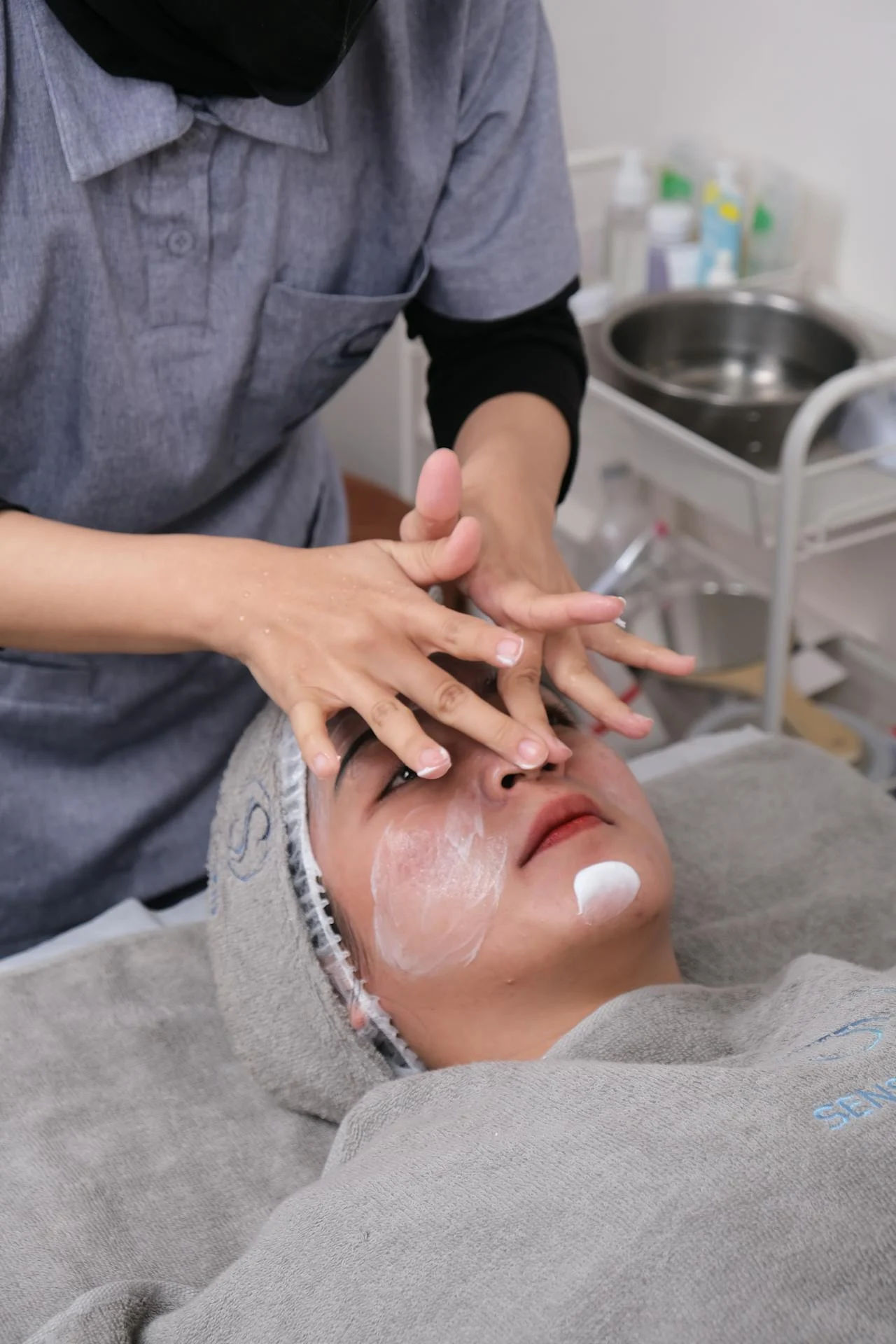
Exosome facials are the most-talked-about skincare service in the United States in 2026 — and the most-misunderstood. Across Zoca's Facial Finders network of 1,400+ licensed estheticians and dermatology medspas in 80 cities, exosome bookings grew 47 percent year-over-year in early 2026, the fastest growth of any skincare service category. They also operate in a gray regulatory space that anyone considering the treatment should understand. Here is the science behind exosomes, the realistic results, the cost, the safety questions, and the practical guide to choosing a provider.
What Are Exosomes?
Exosomes are tiny extracellular vesicles — about 30 to 150 nanometers wide — that cells release to communicate with each other. They carry proteins, lipids, and genetic material (mRNA and microRNA) that signal nearby cells to do specific things: regenerate, reduce inflammation, produce more collagen, or repair damage. The exosomes used in facials are typically derived from human or plant stem cells (most commonly cultured stem cells from human umbilical cords, adipose tissue, or plant sources like rose stem cells), processed into a serum, and applied to the skin after a procedure that creates microchannels — most often microneedling, laser resurfacing, or chemical peels.
How Are Exosome Facials Performed?
A typical exosome facial in 2026 starts with a 60 to 90 minute base treatment — microneedling, RF microneedling, fractional laser, or a medium-depth chemical peel — that creates small channels in the skin. The esthetician or nurse practitioner then applies a refrigerated exosome serum directly to the freshly treated skin and uses a serum-driving tool (sometimes another light pass with the microneedling pen, sometimes ultrasound or radiofrequency) to push the exosomes deeper into the skin. The treatment closes with a calming mask and a strict aftercare protocol.
What Do Exosomes Actually Do?
Research suggests exosomes can promote skin regeneration, improve elasticity, and enhance hydration by delivering growth factors and signaling molecules that help restore the skin's natural function. When paired with microneedling, the microchannels enhance the absorption and penetration of exosomes, allowing their growth factors to reach deeper layers and accelerate healing. The exosome-based skincare market is currently worth approximately $251 million annually and growing rapidly, but it is important to know that there are no FDA-approved exosome products designed for skincare or cosmeceutical applications — exosomes are sold for "research use only" or as cosmetic ingredients in many products, which is a significant regulatory caveat.
Exosome Facial Pricing in 2026
| Pairing service | Avg US 2026 price | Recovery | Best for |
|---|---|---|---|
| Microneedling + exosomes | $400 to $850 | 2 to 4 days | Aging, fine lines, texture |
| RF microneedling + exosomes | $700 to $1,200 | 3 to 5 days | Deeper lines, mild scarring |
| Fractional laser + exosomes | $800 to $1,500 | 5 to 7 days | Sun damage, severe texture |
| Chemical peel + exosomes | $400 to $750 | 3 to 7 days | Pigmentation, brightness |
| HydraFacial + exosomes | $350 to $600 | None | Glow, mild concerns |
| Stand-alone exosome serum | $250 to $450 | None | Maintenance between treatments |
Who Are Exosome Facials Right For?
Exosome facials are best suited for clients aged 30 and up dealing with early-to-moderate aging concerns: fine lines, mild laxity, dullness, post-acne marks, mild scarring, and sun damage. They tend to outperform standalone microneedling or peels on healing time and final results, and clients with sensitive skin often tolerate them well because exosomes can help calm post-procedure inflammation. Younger clients (under 25) generally do not need exosomes — their skin already produces ample regenerative signals — and the cost rarely justifies the marginal benefit at that age.
Who Should Wait or Skip
Skip exosome facials if you are pregnant, breastfeeding, on active chemotherapy, have a known autoimmune condition that may be sensitive to growth factor stimulation, or have active skin infections. Wait if you have had Accutane within the past 6 months — skin needs full barrier recovery before any microchannel treatment. Discuss with your provider if you have keloid-prone skin; the additional growth signaling can theoretically increase keloid risk, though documented cases are rare.
Realistic Results Timeline
The first 24 to 72 hours after an exosome facial typically shows redness, mild swelling, and a temporary glow as inflammation recedes. The 7 to 14 day window shows skin texture improvement, brightness, and reduction in fine lines. The 4 to 6 week window is where collagen remodeling kicks in fully — this is when most clients see meaningful improvement in firmness and tone. Most providers recommend a series of 3 treatments spaced 4 to 6 weeks apart for optimal results, with a maintenance treatment every 4 to 6 months thereafter. About 73 percent of clients in the Facial Finders network rate their first exosome facial as worth the cost, with satisfaction climbing to 86 percent after a 3-treatment series.
The Regulatory Reality You Should Know
Be honest with yourself about the regulatory state. The FDA has issued public warnings about unapproved exosome products being marketed for therapeutic use, particularly when injected. Topical application after microneedling sits in a regulatory gray zone — the procedure itself is performed by a licensed provider, and the exosomes are typically labeled as cosmetic ingredients or "research use only." A reputable medspa or dermatology practice will use exosomes from a documented source, will explain the regulatory caveat in their consent form, and will not make medical claims about treating specific diseases. Practices that promise "stem cell injections" or therapeutic outcomes are operating outside current FDA guidance.
How to Choose a Reputable Provider
Look for four credentials. First, the procedure portion (microneedling, laser, peel) should be performed by a provider licensed for it in your state — typically a medical aesthetician under MD supervision, a registered nurse, a nurse practitioner, or a physician. Second, the exosome product should come from a verifiable source the provider can name — common 2026 brands include Plated by Calecim, ExoSCRT, Eclipse Exosome, and Dermalume. Third, the consent form should explicitly disclose the regulatory status of the exosomes. Fourth, the provider should be willing to discuss what exosomes can and cannot do in plain, non-marketing language.
Combination With Other Skincare Treatments
Exosome facials work well in a comprehensive treatment plan. They are commonly combined with PRF (platelet-rich fibrin) for clients seeking the most intensive collagen induction, with broadband light therapy (BBL or IPL) for clients with combined pigmentation and texture concerns, and with retinoid skincare regimens for ongoing collagen support between facials. Avoid stacking strong actives (high-percentage retinoids, glycolic peels, vitamin C) for at least 7 to 10 days post-treatment to allow the skin barrier to recover.
Aftercare for the First 7 Days
Day 1: Skip all skincare except the recommended post-procedure ointment. Sleep on a clean pillowcase. No exercise, no sun, no makeup. Days 2 to 4: Gentle cleanser, ceramide-rich moisturizer, mineral SPF 30+ during the day. No retinoids, no exfoliating acids, no vitamin C. Days 5 to 7: Slowly reintroduce gentle skincare. Avoid hot tubs, saunas, swimming pools, and direct sun. Days 7 to 14: Return to normal skincare gradually, beginning with the gentlest active and reintroducing one new product every 2 to 3 days.
Cost-Benefit Honest Talk
At $400 to $1,200 per session, exosome facials are not a casual purchase. They typically cost 30 to 60 percent more than standalone microneedling or peels at the same medspa. Whether the upcharge is worth it depends on your goals — for clients tracking visible aging changes over 6 to 12 months, the additional regenerative signaling appears to deliver faster and more pronounced results. For clients seeking a one-off pre-event glow, a HydraFacial or standard microneedling without exosomes is often a better fit. About 64 percent of repeat clients in the Facial Finders network book exosome facials in series of 3 at the introductory rate.
Bottom Line
Exosome facials are a legitimate skincare advancement that delivers measurable benefit when paired with microneedling, RF microneedling, or laser — particularly for clients aged 30+ working on aging, mild scarring, or sun damage. The cost premium over standard treatments is real, the regulatory gray zone is real, and the provider quality matters more than the brand of exosomes used. Choose a credentialed provider with transparent product sourcing and consent disclosure, plan for a 3-treatment series, and budget for ongoing maintenance — exosome facials are a process, not a one-time fix.
Explore More Beauty & Wellness Resources
Looking beyond facials and skincare? These trusted directories can help you find related services:
Frequently asked questions
Are exosome facials FDA-approved?
How much does an exosome facial cost in 2026?
How many exosome facials do I need to see results?
What is the difference between exosomes and PRP or PRF?
Are exosome facials safe?
How long is the downtime after an exosome facial?
Are exosomes better than just microneedling alone?
Who performs exosome facials — esthetician, nurse, or doctor?
Can I do an exosome facial if I am pregnant?
How do I choose a reputable exosome provider?
What is the difference between human-derived and plant-derived exosomes?
How do I take care of my skin after an exosome facial?
Need a provider in Nationwide?
Browse our directory and book directly with local businesses.
Browse the directoryRelated articles
Best Skincare in Arizona — 2026 Guide
Everything you need to know about skincare & facials in Arizona — from choosing the right service to finding providers locals actually recommend. Pricing, FAQs, and booking links included.
Best Skincare in California — 2026 Guide
Everything you need to know about skincare & facials in California — from choosing the right service to finding providers locals actually recommend. Pricing, FAQs, and booking links included.
Best Skincare in Chicago, IL — 2026 Guide
Everything you need to know about skincare & facials in Chicago, IL — from choosing the right service to finding providers locals actually recommend. Pricing, FAQs, and booking links included.