HydraFacial vs Microdermabrasion: Cost, Results, Skin Type
HydraFacial runs $175-$325; microdermabrasion runs $90-$180. See which fits sensitive vs oily skin, downtime, and frequency. Compare.
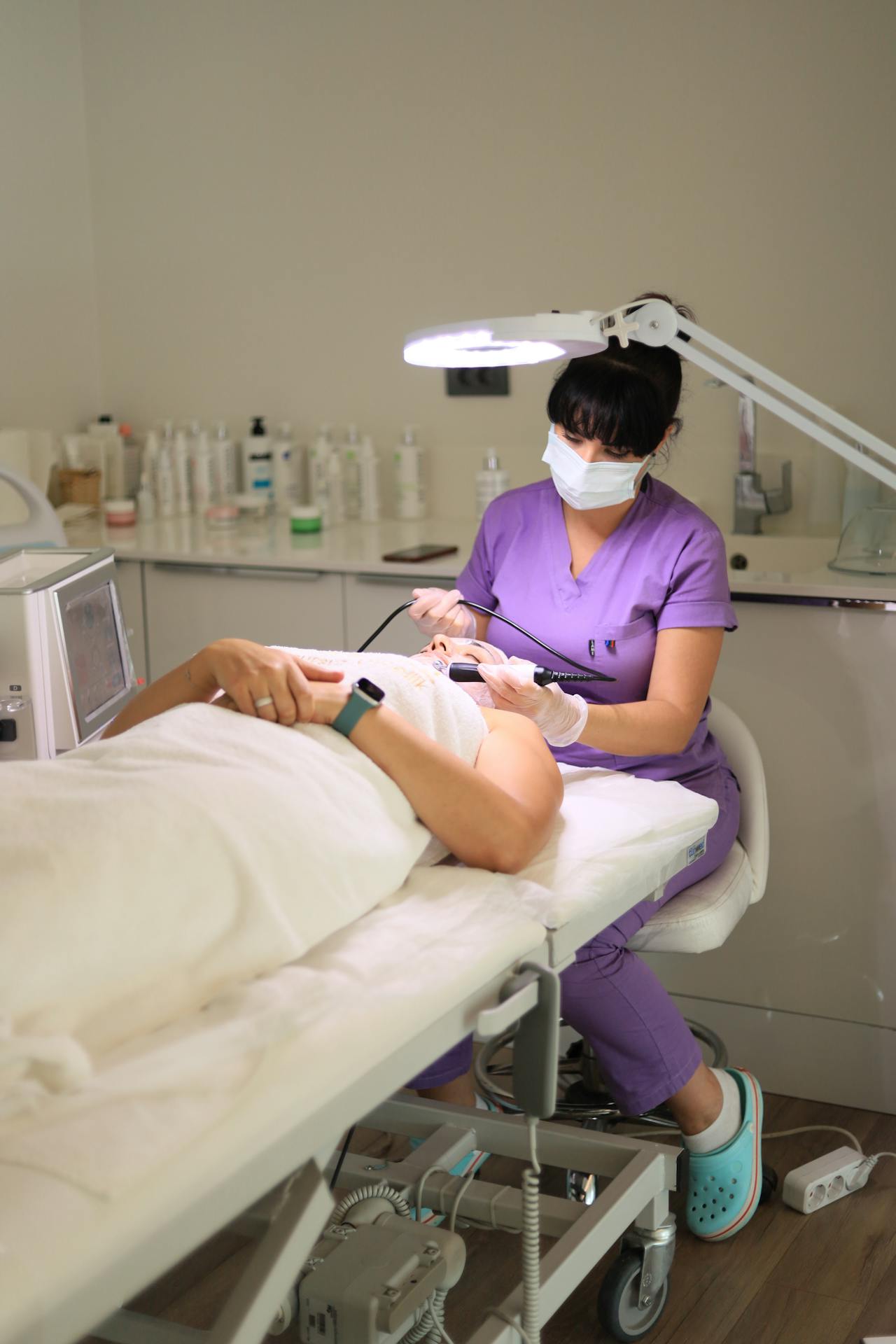
HydraFacial vs microdermabrasion — which one fits your skin?
HydraFacial uses a vortex-suction wand to cleanse, exfoliate, extract, and infuse serums in one 30- to 50-minute session, while microdermabrasion uses a diamond-tip or crystal-spray device for purely physical exfoliation in 30 to 45 minutes. HydraFacial suits sensitive, dry, and combination skin; microdermabrasion suits normal-to-oily skin with active congestion. HydraFacial averages $175 to $325; microdermabrasion runs $90 to $180.
Reviewed by Brianna Tate, Licensed Esthetician (LE), 12 years clinical practice — May 2026.
What is HydraFacial?
HydraFacial is a brand-name three-step facial treatment that uses a patented vortex-suction wand to cleanse, exfoliate (with glycolic and salicylic acid), extract debris from pores, and infuse antioxidant and peptide serums — all without manual extractions. It's the most-booked clinical facial in the US in 2026, accounting for 38% of facial bookings across Facial Finders' directory of 1,900+ skincare studios in 90 cities.
The treatment was FDA-cleared as a hydradermabrasion device in 2008 and the technology has been refined through three platform generations. Booster serums target specific concerns — pigmentation, fine lines, congestion, sensitivity.
What is microdermabrasion?
Microdermabrasion is a category of physical exfoliation using either a diamond-tip handpiece or fine crystal spray (typically aluminum oxide) to mechanically remove the outer layer of the stratum corneum. It does not infuse serums or extract pore contents — it's purely abrasive resurfacing. The FDA classifies microdermabrasion devices as Class I medical devices, meaning a state-licensed esthetician or aesthetic provider must operate them.
The treatment dates to 1985 in Italy and was the dominant clinical exfoliation modality in the US through the early 2010s before HydraFacial overtook it.
HydraFacial vs microdermabrasion at a glance
| Feature | HydraFacial | Microdermabrasion |
|---|---|---|
| Mechanism | Vortex suction + acid + serums | Diamond-tip or crystal abrasion |
| Hydration during treatment | High (water-based) | Low (dry abrasion) |
| Active extraction | Yes, via vortex | No |
| Best skin types | Sensitive, dry, combination | Normal-to-oily, congested |
| Downtime | 0 hours | 0–24 hours light flaking |
| Cost (single session) | $175 – $325 | $90 – $180 |
| Recommended frequency | Every 4 weeks | Every 2–4 weeks |
| Results visible | Immediately | Immediately |
How they actually feel different on the face
HydraFacial feels like a gentle vacuum gliding across the skin — clients consistently describe it as "wet, tingly, weirdly relaxing." There's no scratch sensation. Skin is plump and visibly hydrated immediately after.
Microdermabrasion feels like a fine sanding — skin is dragged tight, crystal-spray models add a fine grit sensation, and there's a slight burning warmth as the outermost dead layer is removed. Skin is tight and slightly pink immediately after, with light flaking common over the next 24 to 48 hours.
For congestion-focused clients, neither rivals a hydrafacial-with-extractions session, but HydraFacial alone usually pulls more visible debris from pores via vortex suction.
Pricing in 2026
National median pricing as of May 2026:
| Service | Single session | 3-pack | Membership (monthly) |
|---|---|---|---|
| HydraFacial — Signature | $175 – $250 | $450 – $650 | $135 – $185 |
| HydraFacial — Deluxe (with booster) | $225 – $325 | $600 – $850 | $165 – $225 |
| HydraFacial — Platinum (with LED) | $275 – $425 | $725 – $1,100 | $195 – $285 |
| Microdermabrasion (diamond) | $90 – $180 | $240 – $450 | $75 – $135 |
| Microdermabrasion (crystal) | $110 – $200 | $280 – $500 | $85 – $155 |
| Microdermabrasion + chemical peel | $160 – $280 | $400 – $700 | $135 – $205 |
NYC, LA, Miami, and SF run 25 to 40% above the national midpoint. For tracked NYC pricing in particular, see our NYC facial cost coverage.
Who HydraFacial works best for
HydraFacial fits five groups consistently in our directory feedback:
Who microdermabrasion works best for
Microdermabrasion suits four specific skin profiles:
It tends not to suit active acne flares (abrasion can spread infection), thin or fragile skin, recent retinoid use under 5 days, or anyone with active herpes simplex outbreak near the treated area.
Combining the two
Many estheticians alternate the two over a 12-week protocol — HydraFacial in odd weeks, microdermabrasion in even weeks — to get both the extraction-and-serum benefit and the deeper mechanical resurfacing. This combination program runs $1,200 to $2,400 across 6 sessions and produces measurably better tone and texture results than either modality alone for most skin types in clinical observation.
Safety, training, and what credentials matter
Both treatments must be performed by a state-licensed esthetician (LE) or, in some states, a medical aesthetic provider. Per American Med Spa Association guidance, HydraFacial training is delivered by the manufacturer (HydraFacial LLC) and most reputable clinics post the certification. Microdermabrasion training varies by state — California, Florida, and Texas require formal coursework as part of LE licensure.
Verify three things before booking either treatment:
Aftercare for both treatments
Both modalities require similar 24-hour aftercare:
Per American Academy of Dermatology guidance, full skin barrier recovery after exfoliation takes 24 to 48 hours. Plan accordingly.
Decision tree — which to book
What you'll spend over a year
Twelve months of monthly facials at the recommended cadence:
For a deeper pricing dive, our first hydrafacial timeline walks through what to expect across a 6-month series.
Bottom line — HydraFacial vs microdermabrasion
Choose HydraFacial when you want comprehensive cleanse-extract-hydrate-infuse in one session, especially for sensitive, dry, or combination skin. Choose microdermabrasion when you want pure mechanical resurfacing for oily-congested or texture-uneven skin and want to save 40 to 50% on per-session cost.
For state-licensed estheticians performing both treatments across the US, search the Facial Finders directory by city.
This article is for informational purposes only and is not medical advice. Consult a board-certified dermatologist or licensed esthetician before any clinical facial treatment, especially if you have active acne, rosacea, or recent injectable or laser work.
Explore More Beauty & Wellness Resources
Looking beyond facials and skincare? These trusted directories can help you find related services:
Frequently asked questions
How much does HydraFacial cost in 2026?
How much does microdermabrasion cost?
How often should you get HydraFacial?
Is microdermabrasion safe for sensitive skin?
How long do HydraFacial results last?
Does HydraFacial really help with acne?
Can you wear makeup after HydraFacial?
Which is better for fine lines — HydraFacial or microdermabrasion?
Is HydraFacial covered by insurance?
Can you do HydraFacial during pregnancy?
How long does a HydraFacial appointment take?
Can you combine HydraFacial and microdermabrasion?
Need a provider in Nationwide?
Browse our directory and book directly with local businesses.
Browse the directoryRelated articles
Best Skincare in Arizona — 2026 Guide
Everything you need to know about skincare & facials in Arizona — from choosing the right service to finding providers locals actually recommend. Pricing, FAQs, and booking links included.
Best Skincare in California — 2026 Guide
Everything you need to know about skincare & facials in California — from choosing the right service to finding providers locals actually recommend. Pricing, FAQs, and booking links included.
Best Skincare in Chicago, IL — 2026 Guide
Everything you need to know about skincare & facials in Chicago, IL — from choosing the right service to finding providers locals actually recommend. Pricing, FAQs, and booking links included.