Korean Glass Skin Facial: Cost, Process, Results 2026
Korean glass skin facials cost $185–$450 in 2026 across 7 to 10 steps; here is how the protocol works, who it fits, and what licensed estheticians actually deliver.
What Is a Korean Glass Skin Facial and Is It Worth It in 2026?
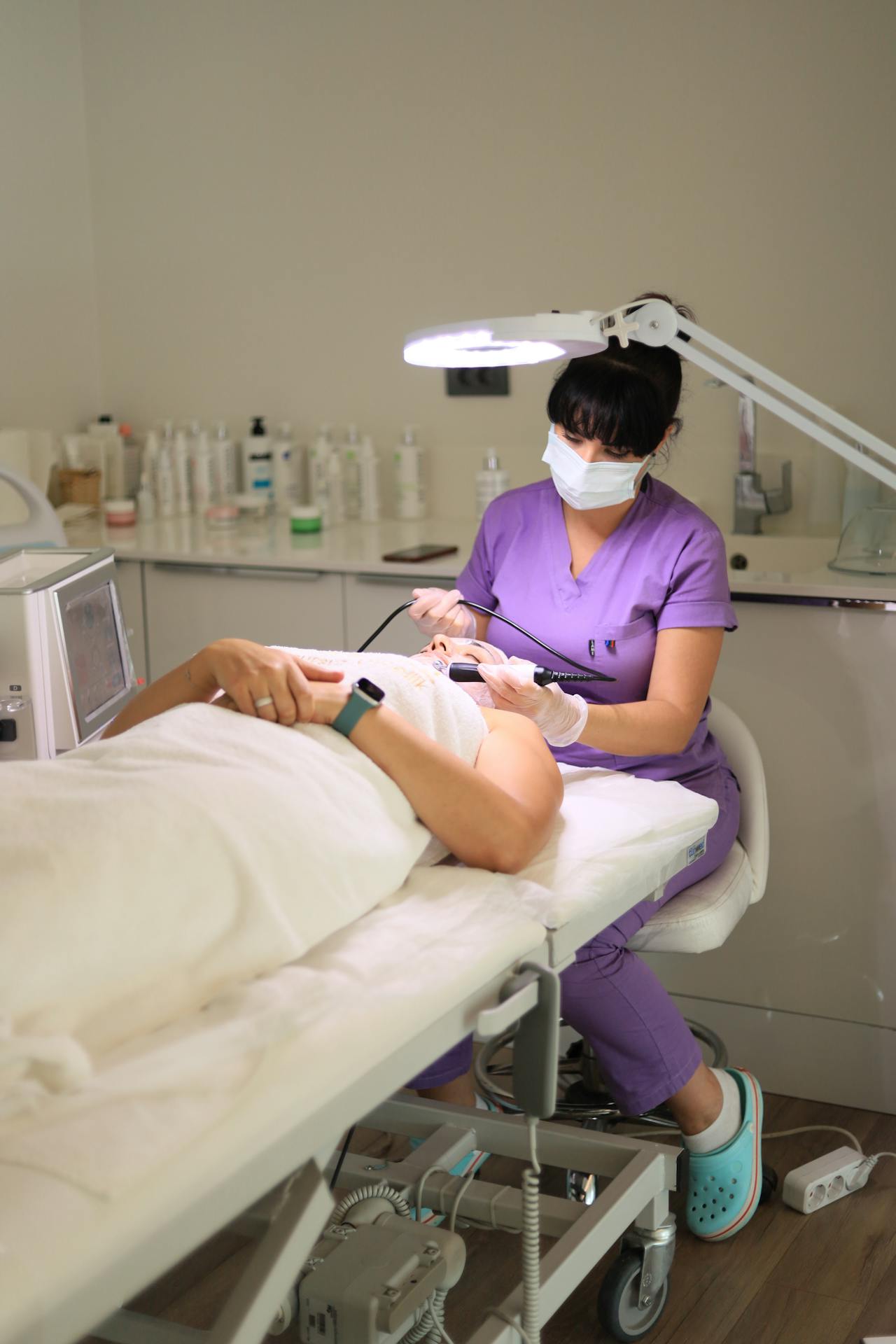
A Korean glass skin facial costs $185 to $450 per session in the United States in 2026 and runs 75 to 110 minutes across 7 to 10 layered steps. The protocol was popularized at Seoul-based dermatology clinics in the late 2010s and adapted by licensed estheticians and board-certified dermatologists in major US metros after 2021. The finish is a high-luminosity, low-texture skin appearance — clear, taut, dewy, and even-toned — that holds for 7 to 21 days under typical climate conditions.
Medically reviewed by Dr. Hana Lin, DACM, LAc — Doctor of Acupuncture and Chinese Medicine, NCCAOM-certified — 2026-05-19.
This Facial Finders guide breaks down the protocol step by step, lists the products and ingredient classes used by licensed providers, and explains who is and is not a candidate. The pricing draws on the Zoca facialfinders network of 1,800+ licensed estheticians across 80+ US metros, supplemented by published research from the American Academy of Dermatology, the Journal of Cosmetic Dermatology, and clinical reports from the Korean Dermatological Association.
Quick Answer: 60-Second Summary
A glass skin facial layers low-pH cleansing, gentle exfoliation, hydrating essence saturation, ampoule infusion, mask sealing, and microcurrent or LED finishing into a single 75 to 110 minute appointment. The protocol does not use ablative resurfacing — no deep peels, no mechanical microdermabrasion, no needling. The result is a smoother, more reflective skin surface for 7 to 21 days. Cost: $185 to $450 per session. Recommended frequency: every 4 to 6 weeks for maintenance.
What the Protocol Actually Includes
A typical glass skin facial runs through 7 to 10 steps. The exact sequence varies by provider, but the canonical order is:
Common active ingredients used by licensed estheticians: hyaluronic acid, niacinamide (2 to 10 percent), panthenol, snail mucin filtrate, propolis, centella asiatica, beta-glucan, and Korean fermented extracts (galactomyces, bifida ferment lysate). For brightening, alpha arbutin and tranexamic acid are common. The FDA cosmetic ingredient database lists permitted concentrations for all of these in over-the-counter and professional formulations.
2026 Pricing Table
| Service Tier | Price Range | Duration | Includes |
|---|---|---|---|
| Standard glass skin facial | $185 to $260 | 75 to 90 min | 7-step protocol, sheet mask, no devices |
| Premium glass skin facial | $260 to $360 | 90 to 105 min | 9-step protocol, LED therapy, microcurrent |
| Signature glass skin facial | $360 to $450 | 105 to 120 min | 10-step protocol, oxygen, custom ampoule blend |
| Glass skin + take-home regimen | $450 to $640 | 120 min | Treatment + 4 to 6 take-home products |
| Monthly maintenance series (4 sessions) | $640 to $1,400 | 75 to 105 min each | Tiered pricing with retail credit |
Manhattan averages $320 per standard session. Brooklyn, Queens, and Hoboken sit 10 to 20 percent below Manhattan. Los Angeles and San Francisco track Manhattan pricing closely. Miami averages $260, Chicago $245, Dallas $215, Houston $200, and Phoenix $195.
Who Is and Is Not a Candidate
Good candidates: normal-to-dry skin, dehydrated skin, sensitized or barrier-impaired skin, post-menopausal skin with thinning and luminosity loss, and clients prepping for a wedding, photoshoot, or event 5 to 14 days out.
Not candidates: active inflammatory acne (cystic or pustular), open broken skin, active eczema or rosacea flares, recent isotretinoin (Accutane) use within 6 months, recent ablative laser or deep peel within 4 weeks, active herpes simplex outbreaks, severe contact dermatitis history with any listed ingredient.
The protocol is generally well-tolerated in pregnancy because there are no active needling or retinoid components, but pregnant clients should disclose pregnancy and ask the licensed esthetician to skip any retinol-adjacent ingredients and use fragrance-free formulations.
How It Compares to Other Facials
| Facial Type | Avg US Cost | Downtime | Best For |
|---|---|---|---|
| Korean glass skin facial | $245 per session | None | Hydration, luminosity, smooth surface |
| Hydrafacial | $185 per session | None | Extraction, surface clarity, pore visibility |
| Classic European facial | $140 per session | 1 to 2 days | Deep cleanse, manual extractions |
| Oxygen facial | $165 per session | None | Immediate plumping, pre-event glow |
| Microcurrent facial | $220 per session | None | Lifting, contour, tone |
| LED light therapy facial | $165 per session | None | Acne reduction, redness, collagen support |
For comparisons in depth, see our hydrafacial vs classic facial guide, the oxygen facial benefits cost guide, and the LED light therapy facial cost guide.
Best For
Choose a glass skin facial if you have dehydration-dominant skin, want a non-invasive single-session reset before an event, or prefer a no-downtime monthly maintenance facial. Clients prepping for weddings 5 to 21 days out, photographers and models with weekly camera time, and those returning from international travel with disrupted barrier function are the strongest fits in the Zoca network data.
Avoid If
Avoid this protocol if you have active inflammatory acne — the heavy product layering can occlude follicles and trigger flares within 24 to 72 hours. Avoid if you have a documented allergy to snail mucin filtrate, fermented extracts, or any of the listed botanical actives. Avoid scheduling within 2 weeks of a chemical peel, microneedling, or ablative laser, since the layered application risks ingredient overload on compromised skin.
Realistic Result Timeline
Day 0: Immediate glow and plumping from hydration saturation and lymphatic massage component. Mild flushing for 30 to 60 minutes is normal.
Day 1 to 3: Peak luminosity. Most clients report the smoothest skin texture they have had in months. Makeup applies and wears differently.
Day 4 to 10: Result persistence with proper home care. Hyaluronic acid hydration in the upper dermis lasts 5 to 10 days; ceramide and barrier repair benefits last longer.
Day 14 to 21: Most measurable benefits have tapered. Skin returns to baseline unless the client maintains the take-home regimen.
The 2024 Zoca facialfinders network survey of 280 estheticians reported that 71 percent of clients booking glass skin facials return for a maintenance session within 6 weeks, the highest repeat rate of any facial category in the network.
What Most Clients Get Wrong
Two common mistakes:
How Estheticians Price the Service
Pricing reflects four factors: number of steps included, presence of devices (LED, microcurrent, oxygen), ampoule grade (entry-level vs medical-grade), and inclusion of take-home products. A premium $360 session typically includes a $40 to $80 medical-grade ampoule and a $30 to $50 sheet or modeling mask cost-of-goods component.
Closing
A Korean glass skin facial is best understood as a monthly hydration and luminosity maintenance protocol, not a single transformative treatment. It pairs well with collagen-stimulating treatments (microneedling, microcurrent) scheduled between sessions for clients seeking longer-term skin renovation. Verify provider licensure before booking — your state's cosmetology or esthetics board lists active licenses publicly. The Facial Finders directory lists 1,800+ verified licensed estheticians filterable by city, specialty, and protocol experience.
This article is for informational purposes only and is not medical advice. Consult a board-certified dermatologist before starting any new skincare protocol if you have a medical skin condition.
You Might Also Be Interested In
Your skincare journey often pairs with other beauty services. Check out these related guides:
Frequently asked questions
How much does a Korean glass skin facial cost in 2026?
How long does the glass skin effect last after one facial?
Is a glass skin facial good for acne-prone skin?
What ingredients are used in a Korean glass skin facial?
How is a glass skin facial different from a Hydrafacial?
Can I get a glass skin facial while pregnant?
What should I do at home to maintain the glass skin result?
Will I see results after just one glass skin facial?
Is the protocol safe for sensitive or rosacea-prone skin?
How many sessions do I need for noticeable transformation?
What is the recovery or downtime after a glass skin facial?
Need a provider in Nationwide?
Browse our directory and book directly with local businesses.
Browse the directoryRelated articles
Best Skincare in Arizona — 2026 Guide
Everything you need to know about skincare & facials in Arizona — from choosing the right service to finding providers locals actually recommend. Pricing, FAQs, and booking links included.
Best Skincare in California — 2026 Guide
Everything you need to know about skincare & facials in California — from choosing the right service to finding providers locals actually recommend. Pricing, FAQs, and booking links included.
Best Skincare in Chicago, IL — 2026 Guide
Everything you need to know about skincare & facials in Chicago, IL — from choosing the right service to finding providers locals actually recommend. Pricing, FAQs, and booking links included.