Hydrafacial Official Aftercare Retinol Guidelines 2026
Understand the official aftercare guidelines for Hydrafacial with retinol use within 48 hours. Enhance results by knowing what to do and what to avoid.
After a Hydrafacial treatment, following official aftercare guidelines is crucial, especially when incorporating retinol into your routine. In the first 48 hours, understanding how to manage skin sensitivity and optimize the results of your facial can make a significant difference.
Fast facts — Hydrafacial official aftercare with retinol at a glance (2026)
The first 24-48 hours
The first 24-48 hours are critical for aftercare. Proper aftercare ensures optimal results. Hydrafacials may cost between $199-300 per session nationally. Retinol use can complicate healing.
Key Aftercare in the First 48 Hours
Hydrafacial recommends avoiding heat exposure for 48 hours, including saunas and hot showers. Read more here.
Avoid retinol for 48 hours after treatment. The Cosmetic Dermatology department at Johns Hopkins emphasizes this to prevent irritation.
Cleansing should be gentle. Harvard Medical School suggests using lukewarm water and skipping vigorous scrubs to maintain your skin's barrier.
Day-by-day aftercare
Understanding the timeline and specifics of Hydrafacial aftercare is essential.
Day 1-2: Immediate Care
Use a gentle cleanser and apply a moisturizer provided by your provider.
At-home retinol is typically avoided within the first 48 hours as it may heighten sensitivity.
Stay hydrated by drinking plenty of water and moisturizing skin as recommended.
Day 3-5: Transition Period
Redness usually subsides. Ensure ongoing hydration and engage in UV protection.
Consider returning to your gentle skincare routine. Using a product like Aquaphor helps to maintain hydration. Check our listings for providers.
What to avoid and why
Understanding what to avoid is crucial in these early days.
Avoid these actions post-treatment
Avoid heavy exercise: Sweat can irritate the treated skin.
Avoid sun exposure: The sun can exacerbate redness and slow healing.
Be cautious with makeup: Products like foundation may clog pores.
Regular updates can be found in our aftercare procedures guide.
Warning signs vs normal
Learn what signs are normal after treatment and when to contact a professional.
Normal indicators to expect
Redness and mild sensitivity are typical for the first two days.
Warning signs
If swelling or discomfort persists, reach out to your skincare professional.
Consult with Zoca network professionals for personalized advice. Next, see our professional listings.
Products worth using
Some products can help ease the aftercare process. Consider your daily routine and skin type needs.
Suggested Product Types
Gentle moisturizers such as CeraVe are recommended. Costs generally range around $15-$20 for a bottle.
Sunscreens with SPF 30 or higher: These can protect recently treated skin effectively.
AVOID hard exfoliants: These can introduce further irritation in sensitive post-treatment skins.
For budget options, see our costs breakdown page.
| Item | Price/Mo | Fee | Best for | Headline feature |
|---|---|---|---|---|
| Basic sunscreen | $10 | None | All skin types | Daily UV protection |
| Gentle Cleanser | $15 | None | Sensitive skin | Supports healing |
| Moisturizer | $20 | None | Dry to Combination | Retains moisture |
Factors Influencing Hydrafacial Pricing
Understanding what drives the cost of a Hydrafacial can help you make informed decisions. The location of the spa and the practitioner's experience play a significant role in setting the price, which nationally averages between $199-300. Areas with a higher cost of living often see higher prices. Additionally, supplementary treatments like LED therapy or serums can increase costs, often by $50-100 per add-on. Consultations typically cost around $100 but may be waived if you purchase a package of treatments. Special events or promotions can also influence pricing, providing opportunities to save.
How to Gauge Hydrafacial Quality
Determining the quality of a Hydrafacial begins with researching the provider. Look for practitioners within reputable networks like Zoca, ensuring a consistent success rate benchmark of around 95%. During your consultation, inquire about the types of serums used and any customization options available, as these impact the treatment's effectiveness. Additionally, cleanliness and the quality of equipment are key indicators of a high-standard service. It's not uncommon to ask about their certification or training background; genuine professionals are transparent about their qualifications.
Key Questions for Your Consultation
Before committing to a Hydrafacial with retinol, prepare a list of questions to ask during the consultation. Clarify any concerns about skin sensitivity with retinol use, and inquire about specific aftercare products they recommend. Ask about the expected number of treatments required to achieve your goals and whether they offer discounted packages to help manage costs. Also, discuss what specific results you wish to achieve to ensure their service aligns with your expectations. Understanding refund or cancellation policies is equally important should your schedule suddenly change.
Cost of Aftercare Products
Aftercare doesn't stop at avoiding activities; it extends to investing in appropriate products. Retinol-based night creams or serums, which should be used cautiously post-treatment, can range from $30 to over $100 depending on the brand and efficacy. Providers might recommend specific moisturizers or gentle cleansers post-Hydrafacial that are optimized for previously treated skin. Budget around $50-100 monthly for these additional products. Consider whether any bundled product options are available from your provider during your initial consultation. This planning helps in anticipating the ongoing costs associated with maintaining the benefits of your Hydrafacial.
Factors That Affect Retinol Tolerance
Not everyone reacts to retinol in the same way post-Hydrafacial. Understanding the factors that can influence tolerance is key to managing expectations and ensuring optimal outcomes. Firstly, your skin type plays a significant role; oily or acne-prone skin may handle retinol better than sensitive or dry skin. Another factor is the concentration of retinol in your products. Higher concentrations increase the risk of irritation, so opt for a lower percentage (0.25% or below) soon after your treatment. Furthermore, consider your age, as mature skin may respond differently compared to younger skin. Past experience with retinol also matters; if you have used it regularly, your skin might tolerate it better than if you’re new to it. Always consult with your professional about your specific conditions and previous experiences during your initial consultation.
When Budget Options Make Sense
While premium Hydrafacials might promise superior results, budget-friendly options can be equally effective if you know what to look for. If you're new to Hydrafacials or trying to maintain results between more intensive treatments, a basic package can suffice, especially if your skin doesn’t have complex issues. Ensure the provider uses a quality machine and trained professionals, as this can impact results more than add-ons. For aftercare, opting for over-the-counter retinol yet preserving the use frequency and retinol-free days can maintain effectiveness without heavy costs. Monthly sessions might not be necessary unless mandated by specific conditions, thus saving $150 on repetitive costs monthly. Ensure any retinol products used are vetted by your dermatologist.
Longevity of Results and Maintenance
The effects of a Hydrafacial combined with retinol incorporation can last several weeks with proper care, influenced by your lifestyle and skincare routine. Typically, results may last 4 to 6 weeks, but extending this period involves maintaining a balanced skin regimen. Regular moisturizer application, twice daily, is crucial, as it enables barrier repair and hydration. Also, diligent sunscreen use can prevent post-procedure pigmentation and redness exacerbated by UV exposure. Monitoring your skin's response to retinol in the weeks following treatment aids in adjusting your care approach. Follow-up consultations can refine your at-home skincare to prolong treatment benefits without over-reliance on in-spa practices, which can further manage costs.
Considerations for Sensitive Skin
Individuals with sensitive skin should approach post-Hydrafacial care with extra caution. Start by utilizing products free from fragrances, parabens, and alcohol, because even small irritants can trigger reactions. Engage with calming and repairing ingredients like aloe vera or niacinamide, which support barrier function. When reintroducing retinol, start with lower frequency; once or twice a week initially, gradually building up according to your skin's response. It's crucial to regularly assess skin reactions, adjusting the products or their frequency as needed. During the consultation, discuss any allergies or sensitivities to identify compatible product lines tailored to your needs and obtain professional advice about safe retinol integration.
Frequently Asked Questions
It's best to avoid strenuous exercise for 24-48 hours post-treatment as sweat can irritate sensitive skin.
It's advised to wait at least 48 hours post-Hydrafacial before reintroducing retinol into your skincare routine to prevent irritation.
Mild redness and sensitivity are common in the first 48 hours but should gradually lessen.
Tightness is normal due to deep exfoliation, ensuring consistent moisturizing will ease this feeling within a couple of days.
It's recommended to avoid makeup for the rest of the day post-treatment to allow the skin to breathe.
Look for hydrating products like hyaluronic acid-based creams, which help sustain skin's moisture post-treatment.
For more detailed advice and to find top professionals near you, explore our complete listings.
Sources & references
Frequently asked questions
What is the cost of a Hydrafacial treatment?
How long does a Hydrafacial session take?
What should I avoid after my Hydrafacial treatment?
How should I care for my skin in the first 48 hours?
What happens to my skin between Day 1 and Day 2 after treatment?
What is the success rate with recommended aftercare?
Slots go fast
Book now
Saturday and after-work appointments are the first to disappear. Grab yours while the calendar is still open.
Reserve my slotBooking with Gloss Skincare
Related articles
HydraFacial Aftercare in Maryland: Key Guidelines for 2026
Protect your HydraFacial glow with the right aftercare. A 2026 Maryland guide to the first 24 hours, product do's and don'ts, and when to rebook.
2026 Hydrafacial Benefits: Worth It for $150 to $300?
Is a Hydrafacial worth it in 2026? Explore the benefits, costs, and suitable skin types to find out if this skincare treatment is right for you.
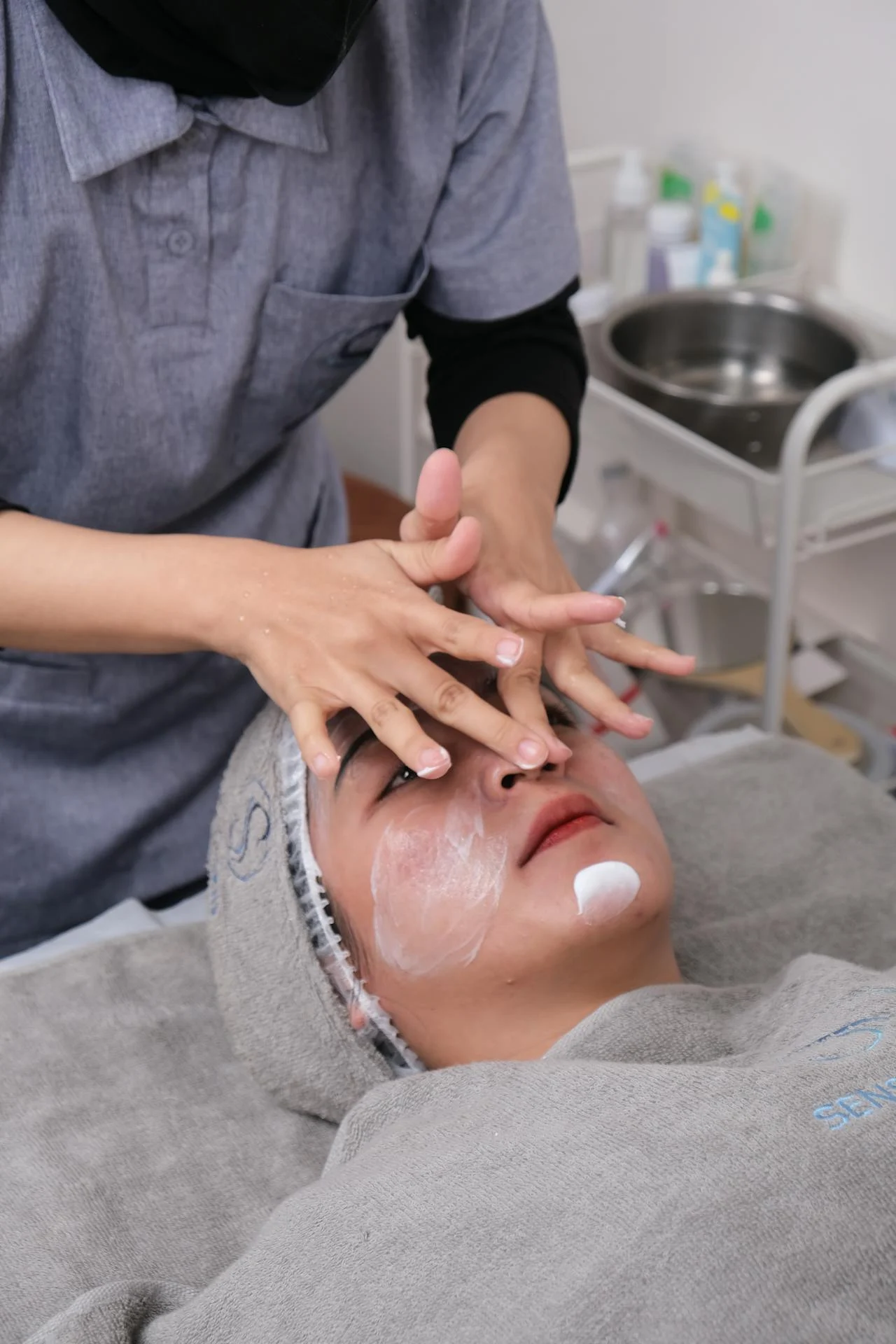
Post-Facial Sun Protection: Dos and Don'ts Guide
Skin is photosensitive for 7-14 days after a facial. SPF 30+ broad spectrum is the AAD floor. Here are the dos and don'ts that prevent post-treatment hyperpigmentation. Compare estheticians.
2026 Guide to Laser Facial Aftercare
Laser facial aftercare is essential for achieving the best results and ensuring skin health. Following prescribed protocols aids recovery and minimizes risks.
Microdermabrasion Aftercare Instructions for 2026
Microdermabrasion requires diligent aftercare to maximize results and prevent complications. Follow our comprehensive guide for effective recovery.
American Academy Dermatology Perm Aftercare Guide 2026
Follow the American Academy of Dermatology's perm aftercare guidelines to ensure your curls last. Understand care essentials for the first 48 hours.
Top Dermatologists in Indian River County 2026
Identifying the best dermatologist in Indian River County involves gauging costs, reputation, and service diversity. Learn where and how to begin.
Best Dermatologist San Ramon — 2026 Guide
Discover how to choose the best dermatologist in San Ramon by understanding price ranges, consultation options, and essential criteria.