Dermaplaning Facial Pricing and What to Expect
What a dermaplaning facial costs across US salons, what changes the number on your invoice, and how the treatment actually works on skin.
The short answer
Real 2026 Prices for Dermaplaning (Zoca Beauty Price Index)
Based on real published menu prices from 114 salons (179 dermaplaning listings) across the Zoca network, dermaplaning typically runs $70–$145, with a median of $100.
| Dermaplaning | Price |
|---|---|
| Typical range | $70–$145 |
| Median | $100 |
| Network low–high | $10–$250 |
Source: Zoca Beauty Price Index — real service-menu prices from 114+ salons, July 2026. Prices vary by provider experience, products, and add-ons.
A dermaplaning facial uses a sterile surgical blade held at a shallow angle to shave off dead surface cells and vellus hair. Nationally the median is $119.50 across 17 salons in our pricing data. It suits dry, flaky or makeup-textured skin and takes about 30 to 45 minutes with no downtime.
Know the types
Three quite different things get sold under this name, and the price gap between them is mostly explained by which one you are booking.
Standalone dermaplaning is the blade pass alone — cleanse, dermaplane, moisturiser and SPF. It is the quickest version, often 20 to 30 minutes, and the one most likely to be offered as an add-on to another service.
A dermaplaning facial wraps the blade work inside a full treatment: double cleanse, the dermaplane pass, usually an enzyme or light acid, a mask, massage and finishing products. This is the version most listed prices refer to and the one that runs closest to an hour.
Dermaplaning plus a resurfacing step pairs the blade with a chemical peel or a hydrating infusion in the same appointment. Removing the dead layer first means anything applied afterwards penetrates more readily, which is the genuine clinical argument for combining them — and the reason this tier costs the most.
One distinction worth holding onto: dermaplaning is not dermabrasion or microdermabrasion. Those abrade the skin with crystals or a diamond tip and reach deeper. Dermaplaning only takes the very top of the stratum corneum and the fine hair sitting on it.
Benefits
The immediate, reliable benefit is texture. Removing built-up dead cells and vellus hair leaves the surface flat enough that foundation stops catching and skin reflects light more evenly. That effect is visible the same day and is why so many people book it before events.
The secondary benefit is absorption. Serums and actives applied to a freshly dermaplaned face meet less resistance, so a peel or hydrating step done in the same visit tends to work harder than it would alone.
Now the limits, because they are routinely oversold. Dermaplaning does not change pigment, does not treat acne scarring, and does not tighten anything. Your hair will not grow back darker or thicker — vellus hair returns at the same diameter within about three to four weeks, and the blunt cut end simply feels coarser for a few days. It is a poor fit for active inflammatory acne or pustules, since dragging a blade across those spreads bacteria, and it should be skipped entirely on skin currently reacting to a retinoid, on active rosacea flares, or within six months of isotretinoin.
What it costs
Across 17 salons in our data, the median dermaplaning price is $119.50, with most quotes falling between $92.50 and $143.75. For context, a general facial runs a median of $125 across 59 salons and a signature facial $110 across 17 — so dermaplaning is priced squarely in normal facial territory rather than as a premium clinical service.
Four things move a quote inside that band. The first is scope: a standalone blade pass sits at the bottom, a full facial with mask and massage in the middle, and a dermaplane-plus-peel at the top. The second is who performs it — states vary in whether an esthetician, a medical esthetician or a nurse must do it, and a medical-supervised setting prices higher. The third is inclusions; ask whether SPF and post-care product are part of the price or sold on top. The fourth is packaging, since a course of four to six sessions is commonly discounted against the single-visit rate.
Dermaplaning is also one of the most frequently discounted add-ons in the industry. If you are already booking a facial, ask what adding a blade pass costs rather than booking the two separately — the combined rate is often well below two individual services.
On frequency: the stratum corneum needs roughly three to four weeks to rebuild, so booking more often than monthly gains you nothing and risks sensitising the skin.
Aftercare
For the first 24 hours, leave the skin alone. No retinoids, no exfoliating acids, no scrubs, no facial waxing and no threading over the same area. Skip the gym, the sauna and anything that makes you sweat heavily, because a freshly resurfaced face has lost its usual barrier against friction and bacteria.
Sunscreen is not optional here. You have removed the dead cell layer that scattered some of the UV, so a broad-spectrum SPF 30 or higher every morning for at least a week is the single most important step — skipping it is how people end up with patchy pigment after a treatment that was supposed to even their skin out.
Use a plain, fragrance-free moisturiser for two or three days and hold off on anything new. Mild redness or a warm, tight feeling for a few hours is expected. Reintroduce actives on day three, starting with the gentlest one you own rather than everything at once.
Avoid makeup for the rest of the treatment day if you can, and if you cannot, use a clean brush or sponge rather than a used one. Rebook at four weeks at the earliest.
Frequently asked questions
How much does a dermaplaning facial cost?
Does dermaplaning make facial hair grow back thicker?
How often should you get dermaplaning?
Who should avoid dermaplaning?
Is dermaplaning the same as microdermabrasion?
Need a provider in your area?
Browse our directory and book directly with local businesses.
Browse the directoryRelated articles
Oxygen Facial: What to Expect, Benefits and Aftercare
Pressurised oxygen infusion plumps and hydrates with zero downtime, but the oxygen is not the active ingredient. What the four versions do and how long the glow lasts.
HydraFacial: What to Expect, Benefits and Aftercare
A HydraFacial cleanses, exfoliates, extracts and infuses in one 30 to 60 minute pass using a vortex tip. Here are the tiers, the boosters worth paying for, and what it will not fix.
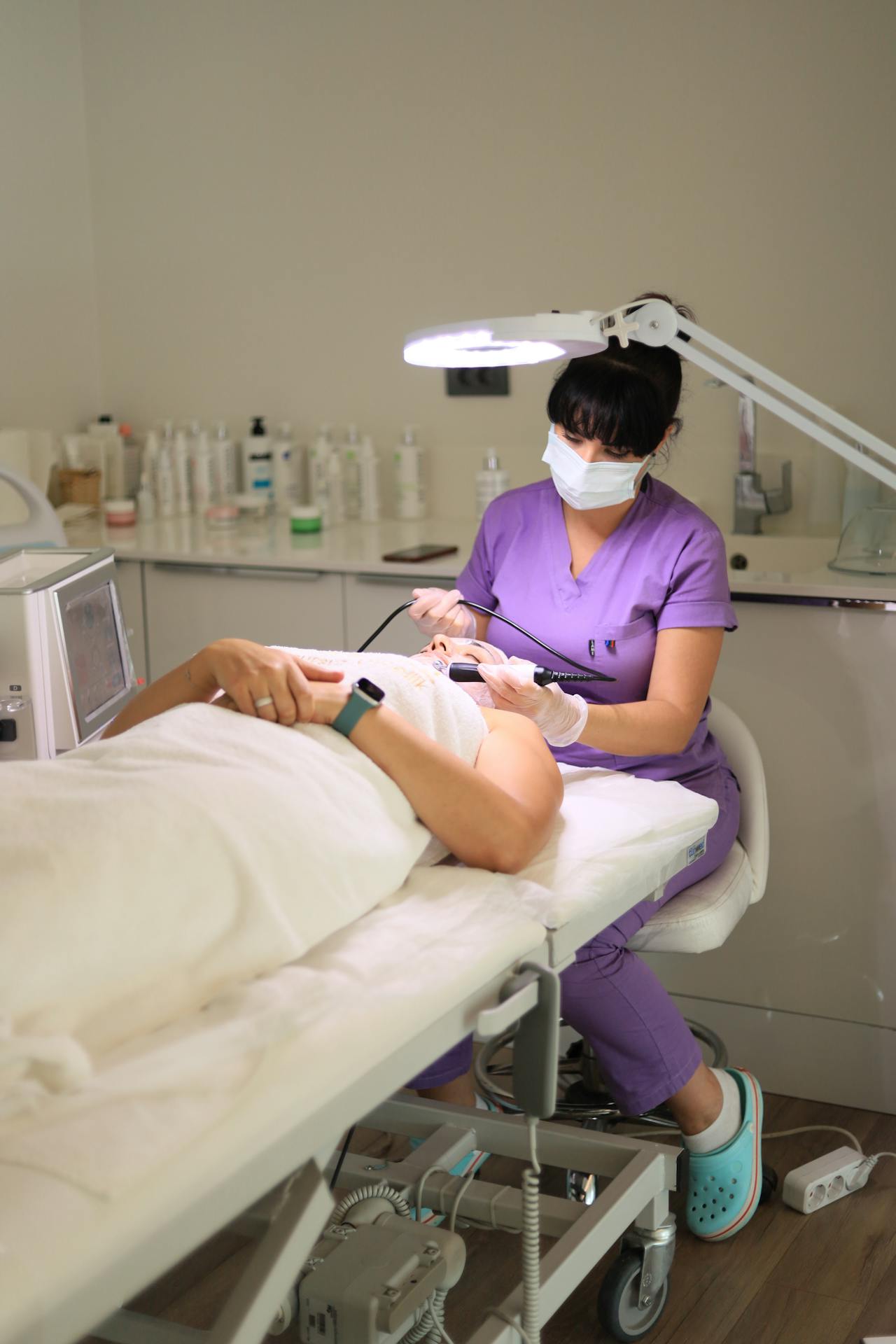
Dermaplaning Facial Cost Guide: US Pricing
$45 to $150 buys a 30- to 60-minute dermaplaning facial in 2026. Compare standalone, add-on, and combo pricing across US cities and skin types.